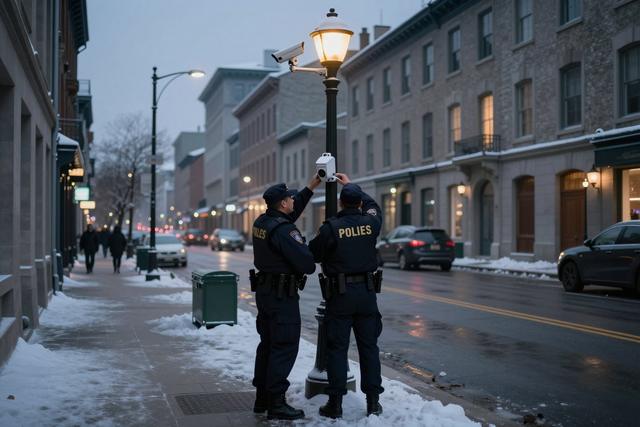
Montreal Police Service removed a high‑powered surveillance camera from the city on Friday, August 14, 2026, after a Radio‑Canada story brought the device to public attention. The camera, which had been installed by police as part of a broader surveillance effort, was taken down the same day the media report aired.
The removal came in response to criticism sparked by the broadcast, which highlighted the presence of the powerful monitoring equipment in a public area. While police officials had placed the camera to augment city‑wide security initiatives, the coverage prompted city residents and observers to question the scope and transparency of the surveillance program.
Police did not provide additional details about the camera’s specifications or the exact location where it had been mounted. The agency’s action to dismantle the equipment followed the heightened scrutiny generated by the media report, indicating a direct link between the public exposure and the decision to withdraw the device.
Radio‑Canada’s reporting on the camera underscored the growing conversation around surveillance tools used by law‑enforcement agencies in urban environments. The story’s impact was evident in the swift response from the police service, which chose to remove the equipment rather than defend its continued operation.
The episode adds to ongoing discussions about the balance between public safety measures and privacy considerations in Montreal. Authorities have previously employed various surveillance technologies, but this incident illustrates how media coverage can influence policy actions when public concern emerges.
No further statements have been released by the Montreal Police Service regarding future plans for similar surveillance equipment or any revisions to its monitoring strategies. The city awaits clarification on how the police will address the concerns raised by the recent media attention.
The camera’s removal marks a notable response to media‑driven criticism, reflecting the sensitivity of surveillance initiatives in the capital and the potential for public reporting to shape law‑enforcement practices.