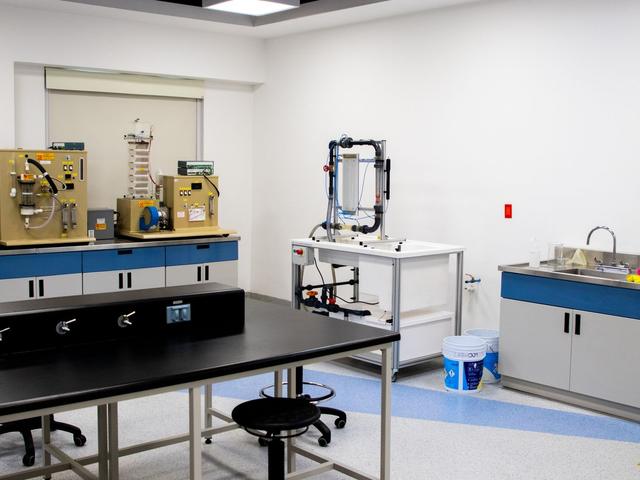
Scientists at Polytechnique Montréal are cultivating animal proteins in a bubbling orange solution as part of a biomedical laboratory program aimed at strengthening Canada’s capacity to respond to future pandemics. The work, carried out on campus in Montreal, Quebec, is intended to provide a new tool for rapid disease‑response research.
The laboratory team is focusing on growing animal protein structures that can serve as model systems for studying viral behavior and testing medical countermeasures. By using a visibly orange, aerated medium, researchers can monitor protein formation in real time, allowing them to accelerate the development of diagnostic and therapeutic strategies.
This effort aligns with a broader national push to expand biomedical research programs that enhance pandemic preparedness across Canada. Federal and provincial authorities have signaled a commitment to building scientific capabilities that can be mobilized quickly when new infectious threats emerge. Polytechnique Montréal’s initiative adds a specialized component to that strategy, concentrating on the fundamental biology that underpins vaccine and antiviral development.
The project, documented on Monday, August 17, 2026, reflects the university’s role in the country’s public‑health infrastructure. While the specific outcomes of the protein‑cultivation work remain under investigation, the approach demonstrates a proactive stance: creating laboratory resources now that could be deployed in the event of a future outbreak. As Canada continues to broaden its biomedical research portfolio, the Polytechnique Montréal lab stands as a concrete example of how academic institutions are contributing to national resilience against pandemics.