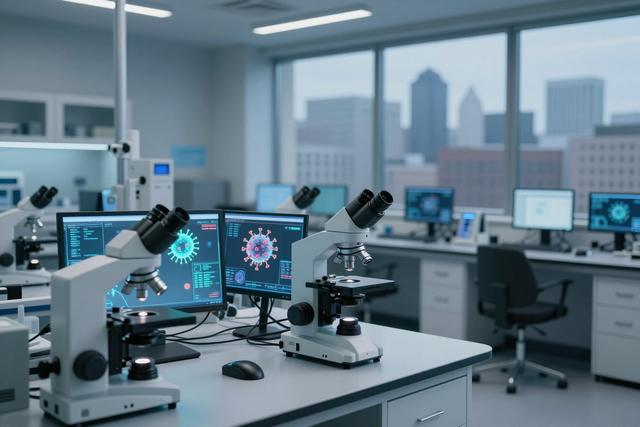
Polytechnique Montréal’s laboratory has been designated as the national hub for research aimed at strengthening Canada’s readiness for future pandemics. The centre, based in Montreal, Quebec, is coordinating a suite of projects that seek to create new tools and strategies to anticipate and mitigate the next outbreak. The initiative was announced on Monday, 17 August 2026, marking six years since the COVID-19 crisis highlighted gaps in global health security.
The laboratory’s mandate includes developing diagnostic technologies, modelling transmission scenarios, and testing intervention protocols that can be rapidly deployed across the country. By bringing together experts from multiple disciplines, the effort aims to provide a coherent framework for federal and provincial health authorities to respond more swiftly and effectively to emerging infectious threats.
Officials from the institution said the timing reflects a broader national commitment to address the vulnerabilities exposed by the pandemic that began in 2020. The six‑year interval since that event has been used to assess lessons learned and to build capacity within the scientific community. Polytechnique Montréal’s role is to act as a central point of contact for researchers, public health agencies, and industry partners involved in pandemic preparedness.
The coordination of national efforts under a single laboratory is intended to streamline resource allocation, avoid duplication of work, and ensure that the most promising innovations reach decision‑makers in a timely manner. While specific projects remain under development, the overarching goal is to have a ready‑to‑activate toolkit that can be scaled across Canada should a new pathogen emerge.
The move underscores the importance placed on preparedness as a core component of Canada’s health security strategy. By leveraging the expertise housed at Polytechnique Montréal, the country seeks to improve its ability to protect public health and minimize the societal impact of future pandemics.