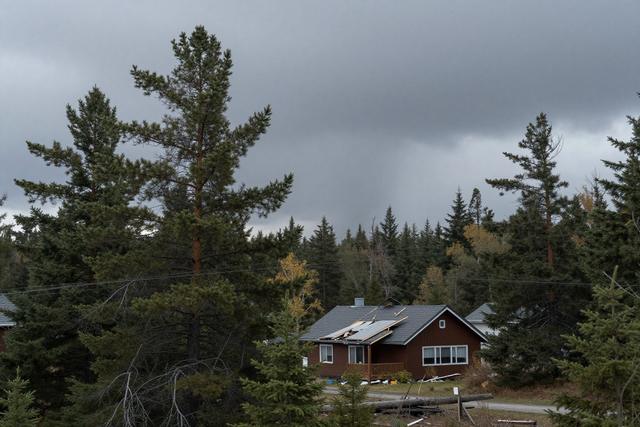
A possible tornado is believed to have caused significant damage in the Laurentians region of Quebec on July 22, prompting an investigation by Environment Canada. The event, reported late in the afternoon, has drawn attention from provincial authorities as they assess the extent of the destruction.
The Laurentians, a mountainous area known for its rugged terrain and frequent monitoring of severe weather, experienced unusual conditions that led officials to suspect a tornadic vortex. Environment Canada officials, including Dominic Martel, have begun a systematic survey of the affected zones to confirm the presence of a tornado and to document the damage observed.
According to statements from the agency, the investigation will focus on identifying typical tornado signatures, such as concentrated tree fall patterns and structural damage that differs from that caused by straight-line winds. Teams are deploying aerial reconnaissance and ground crews to map the impacted sites and to collect evidence that can verify the nature of the event.
The Laurentians’ topography often amplifies the challenges of storm observation, making the region a priority for weather monitoring programs. Environment Canada maintains a network of radar stations and weather stations throughout the area, allowing for rapid detection of severe storms. The suspected tornado adds to the agency’s ongoing efforts to understand how such phenomena develop in the province’s elevated landscapes.
Local residents reported hearing loud, unusual noises and seeing debris scattered across forested areas. While no official casualty figures have been released, the focus remains on ensuring public safety and providing timely information to communities potentially affected by the aftermath.
Dominic Martel emphasized that the investigation is in its early stages and that further updates will be provided as more data become available. The agency’s priority is to confirm whether the damage aligns with tornado characteristics and to determine any necessary response measures for future severe weather events in the Laurentians.
The situation underscores the importance of continuous weather surveillance in mountainous regions, where rapid changes can lead to unexpected and potentially hazardous conditions.