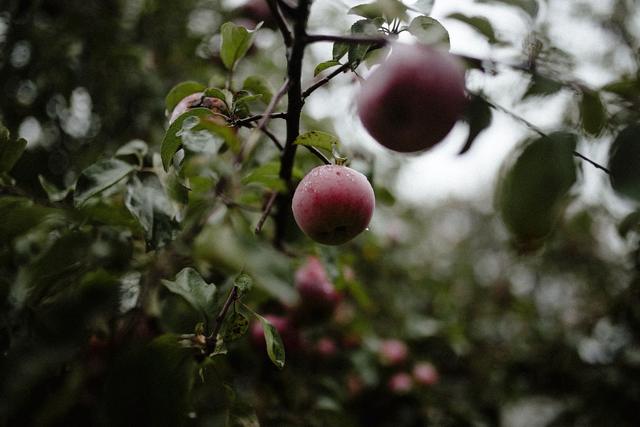
On August 16, 2026, a Quebec apple grower launched a field test of an anti‑hail cannon aimed at shielding orchard trees from the destructive effects of hail. The device, positioned within the orchard, is intended to generate sound waves that disrupt the formation of hailstones, offering a proactive layer of protection for the season’s apple crop.
Hail has long been recognized as a significant risk for fruit growers in the province, capable of bruising fruit, cracking branches and causing substantial yield loss. In recent years, weather‑related incidents have prompted orchardists to explore technological solutions that go beyond traditional netting or insurance measures. The anti‑hail cannon represents one such approach, borrowing concepts from earlier experiments in other agricultural regions.
The Quebec grower’s decision to trial the system follows a broader pattern of experimentation among fruit producers who seek to mitigate climate‑driven threats. While the technology is still considered experimental, early field reports suggest that the sound‑based method can create a zone of turbulence that interferes with the growth of hail within clouds passing over the orchard. The test will monitor the cannon’s performance throughout the remaining growing season, recording any reduction in hail‑related damage compared with previous years.
If successful, the trial could provide a model for other orchards facing similar weather challenges, potentially reducing the financial impact of hail events on the regional apple industry. Agricultural advisers are watching the results closely, noting that any viable weather‑control tool would add a valuable option to the suite of risk‑management strategies available to growers.
The experiment underscores the growing interest among Quebec’s fruit producers in adopting innovative, science‑based methods to protect their harvests from increasingly unpredictable weather patterns.