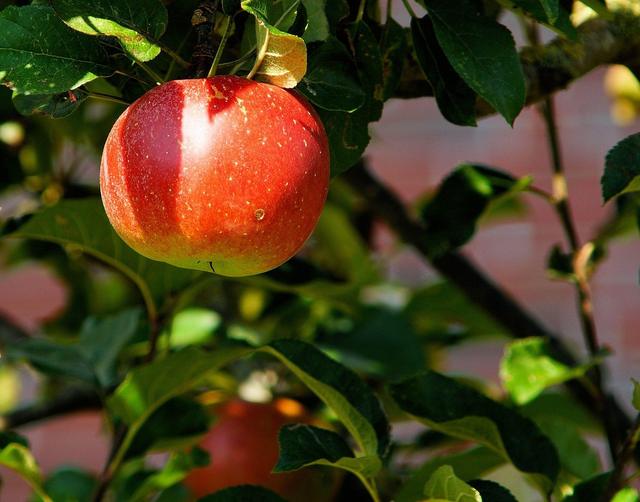
A Quebec apple grower has turned to an anti‑hail cannon in an effort to shield his orchard from recent icy weather that threatens the season's crop yield. The deployment, which took place on Monday, August 10, 2026, reflects the grower's response to conditions that could otherwise damage the trees and reduce fruit production.
The anti‑hail system, originally created in Europe, is designed to disrupt the formation of hail and ice by emitting powerful sound waves into the atmosphere. While the technology has been used in various agricultural settings, its application in Quebec's apple orchards marks a notable adaptation to local weather challenges. The grower’s decision follows a period of icy conditions that posed a risk to the health of the trees and the potential harvest.
Manufacturing of these devices has expanded beyond their European origins, with current production occurring in countries such as New Zealand and Germany. This broader availability has allowed growers in regions like Quebec to access the equipment as a preventive measure against weather‑related damage. The grower’s use of the cannon aligns with a growing interest among farmers to incorporate technological tools that mitigate the impact of unpredictable climate patterns.
While the anti‑hail cannon is not a guarantee against all forms of weather damage, its presence in the orchard demonstrates a proactive approach to preserving the viability of the apple crop. The decision underscores the importance placed on protecting agricultural output in the face of environmental threats. As the growing season continues, the orchard will be monitored for any signs of improvement or further challenges, with the anti‑hail device remaining a central component of the grower's defensive strategy.
The adoption of the anti‑hail cannon in Quebec adds to the evolving landscape of agricultural technology, highlighting how tools developed abroad are being integrated into local farming practices to address specific climatic concerns.