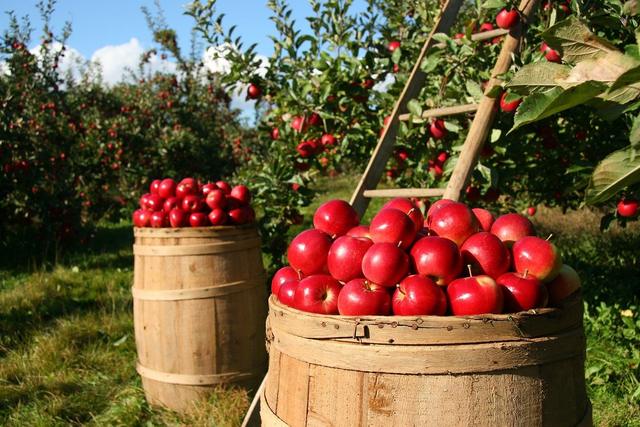
An apple orchard in Quebec began a field trial of an anti‑hail cannon early Sunday, aiming to protect its fruit from the province’s frequent hail storms. The testing operation, launched at 4 a.m. EDT on August 16, 2026, marks one of the first attempts by a local grower to use acoustic deterrent technology on a commercial fruit farm.
Hail is a recurring threat to Quebec’s fruit industry, with sudden storms capable of bruising or destroying large portions of a harvest in minutes. Damage from hail can reduce marketable yields, increase labor costs for cleanup, and force growers to discard affected fruit. In response, producers have been monitoring a range of protective measures, from netting to weather‑prediction services, but many solutions remain costly or impractical for large orchards.
The anti‑hail cannon employed in the trial emits a loud, low‑frequency sound designed to disrupt the formation of hailstones within storm clouds. The device is positioned near the orchard’s perimeter and is programmed to activate automatically when weather radar indicates an approaching hail threat. Operators will record the cannon’s performance throughout the season, noting any reduction in hail impact on the trees and fruit compared with previous years.
If the trial proves successful, the technology could offer a non‑chemical, reusable method for growers seeking to safeguard their crops without extensive physical barriers. The orchard’s management hopes the results will inform broader adoption across the region, providing a new tool in the ongoing effort to mitigate weather‑related losses for Quebec’s apple producers.
The experiment will continue through the harvest period, with data to be analyzed after the season ends to determine the cannon’s effectiveness and any operational challenges encountered during real‑world use.