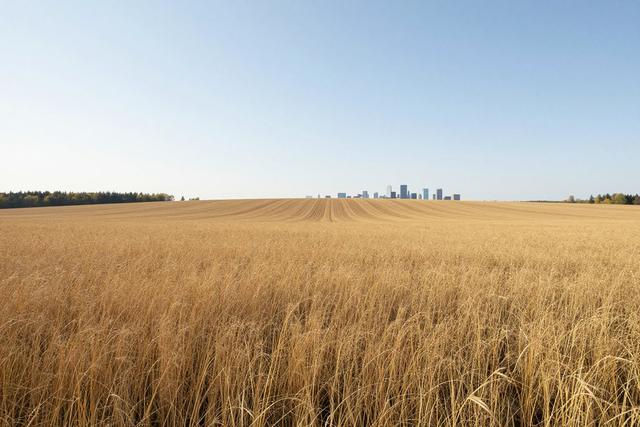
Quebec’s provincial government unveiled a set of regulatory reforms on July 6 that could make as much as 200,000 hectares of currently unused land available for agricultural production. The changes are part of a broader modernization effort aimed at expanding the province’s farmable area and boosting food‑security goals.
The province’s agricultural producers union greeted the announcement, saying the new rules remove long‑standing barriers that have limited expansion in many rural regions. Union representatives highlighted the potential for new jobs, increased revenues for local growers and the ability to meet rising demand for both commodity and specialty crops.
Environmental organisations, however, voiced reservations about the scale of the proposed opening. Critics warned that converting large tracts of land could threaten biodiversity, strain water resources and undermine climate‑change mitigation efforts. They called for detailed impact assessments and stronger safeguards before any conversion proceeds.
The reforms focus on streamlining permitting processes, updating land‑use classifications and providing clearer guidelines for farmers seeking to develop new fields. Officials said the measures are designed to balance economic growth with sustainable practices, though the exact timeline for implementation remains to be set. The announcement marks the latest step in Quebec’s ongoing effort to modernize its agricultural framework while navigating competing interests from the farming community and environmental advocates.