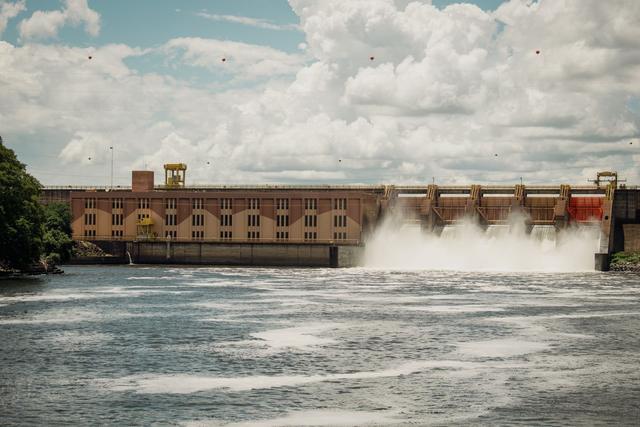
Political experts say the Quebec provincial election scheduled for the fall of 2026 is unlikely to jeopardize the newly announced agreement on the Churchill Falls hydroelectric project. The assessment comes as the province prepares for a vote that could bring a change in leadership, while Ottawa signals its intention to maintain the terms of the deal.
The experts, based in Ottawa and familiar with intergovernmental relations, argue that the federal government's influence will be a stabilising factor. Even if a new party assumes power in Quebec, the consensus reached on the Churchill Falls arrangement is expected to remain in place because of Ottawa's commitment to see the project through under the current framework.
The agreement, unveiled as the province gears up for the election, outlines continued cooperation on the management and development of the hydroelectric facility that has long been a point of negotiation between the two jurisdictions. While the specifics of the pact have not been disclosed in detail, officials have indicated that it addresses operational, financial and environmental considerations that have historically required coordination.
Observers note that the timing of the announcement—just weeks before the campaign period—could serve to reassure voters and industry stakeholders that the project will not become a partisan issue. By positioning the deal as a fixed element of the province's energy strategy, both federal and provincial actors appear intent on avoiding any electoral volatility that might otherwise threaten the arrangement.
The consensus among the political analysts is that, barring an unexpected shift in federal policy, the Churchill Falls agreement will survive the electoral transition. Their view reflects a broader expectation that Ottawa will continue to play a decisive role in ensuring the continuity of major infrastructure projects, regardless of which party governs Quebec after the fall election.