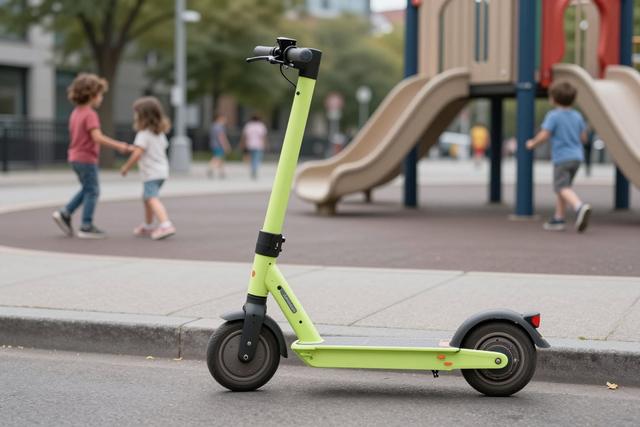
Quebec’s government announced on Friday that the province’s electric‑scooter pilot program will continue through 2028, even as medical professionals have warned that existing regulations do not adequately safeguard children from serious injuries.
The extension keeps in place the limited‑use framework introduced when the trial began, which permits electric scooters on designated routes and under specific speed and age restrictions. The pilot was launched to assess how e‑scooters could be integrated into the province’s transportation network while monitoring safety outcomes.
A group of doctors has publicly raised concerns that the current set of rules does not go far enough to protect young riders. Their statements focus on the risk of severe injuries among children, noting that the protective measures outlined in the pilot’s guidelines may be insufficient.
Despite the medical community’s warnings, the provincial authorities decided to prolong the trial, citing the need for more data before implementing permanent policy changes. Officials indicated that the extended timeline will allow additional monitoring of usage patterns, accident reports, and the effectiveness of existing safety provisions.
The decision arrives as municipalities across Quebec continue to grapple with how to balance the popularity of electric scooters with public health considerations. While the pilot provides a controlled environment for testing, the doctors’ concerns highlight ongoing debates about age limits, helmet requirements, and enforcement mechanisms.
The government has not announced any immediate amendments to the pilot’s regulations, but the extension to 2028 suggests that policymakers intend to keep the program under review while gathering further evidence on its impact on road safety, especially for children.
The continuation of the e‑scooter trial reflects Quebec’s cautious approach to integrating new micromobility options, aiming to reconcile innovation with the health and safety of its residents.