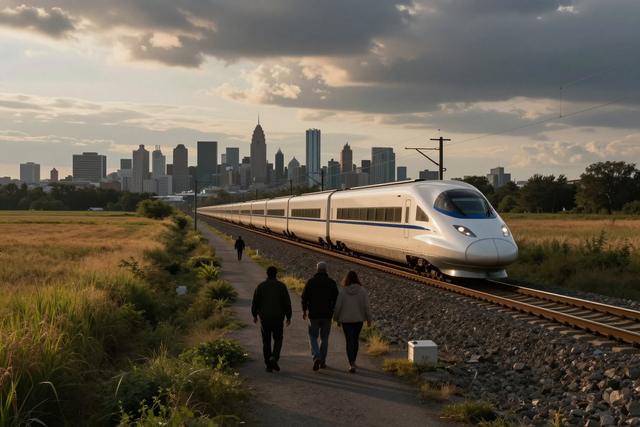
On Monday, farmers across Quebec voiced strong opposition to the proposed Alto high‑speed rail line, saying the project would split farmland and break up rural communities. The rail corridor, which is intended to connect Toronto with Quebec City, has drawn criticism from agricultural groups who fear the physical division of their land could undermine farming operations and the social fabric of the countryside.
The farmers’ concerns were raised collectively, reflecting a broad sense of unease among those who depend on the province’s agricultural lands. They argue that the rail line’s route would cut through productive fields, creating barriers that could limit access to equipment, markets, and labor. The potential for fragmented ownership and disrupted irrigation patterns was also highlighted as a key issue.
Beyond the immediate impact on individual farms, the agricultural community warned that the rail line could fragment entire villages and small towns that rely on close-knit relationships and shared services. The prospect of a physical barrier running through these areas raised questions about the ability of residents to maintain community ties, attend local events, and support one another in daily life.
The Alto project itself is a planned high‑speed railway designed to link the major urban centres of Toronto and Quebec City, promising faster travel times and increased connectivity between the two provinces. Proponents of the project cite economic benefits and reduced road traffic, but the farmers’ response highlights a tension between large‑scale infrastructure ambitions and the preservation of rural landscapes.
As the debate continues, the farmers’ opposition adds a significant voice to the discussion surrounding the Alto rail line, emphasizing the need to consider the agricultural sector’s role and the integrity of rural communities when planning major transportation initiatives.