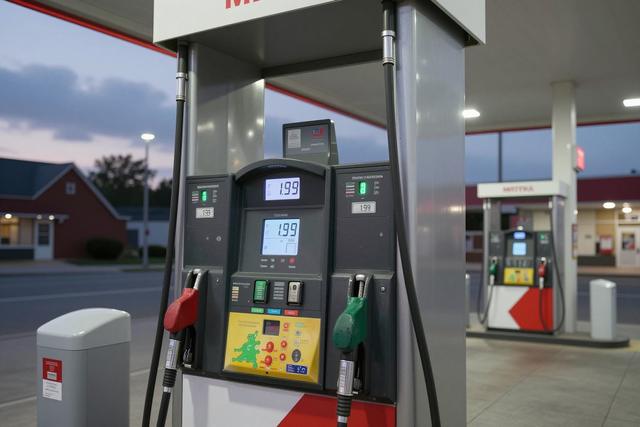
Gas prices in Montreal have climbed to roughly $2 per litre in July 2026, up from $1.50 per litre recorded in February, according to Canadian fuel experts. The increase marks the latest in a series of price hikes that have occurred repeatedly since early 2026.
Industry analysts point to ongoing geopolitical unrest in the Middle East and other regions as the primary factor behind the surge. Disruptions to oil supply chains and heightened uncertainty in global markets have pushed wholesale fuel costs higher, a trend that has been reflected at the pump across Quebec.
Since February, Quebec motorists have watched the price of gasoline rise several times, each adjustment bringing the cost closer to the $2 per litre threshold. While the exact timing of each increase varies by station, the overall trajectory has been upward, mirroring broader patterns observed in other Canadian provinces.
The rise in Montreal’s gasoline price is part of a national picture in which Canadian fuel experts note that regional price differentials are narrowing as international pressures affect the entire country. The experts emphasize that the current level, while still below the peaks seen in some overseas markets, represents a significant jump from the early‑year baseline.
Consumers in Quebec have responded to the higher cost of fuel with adjustments to driving habits and budgeting, though the experts caution that further price movements remain possible as the geopolitical situation evolves. They add that any resolution to the tensions in the Middle East could ease pressure on oil prices, potentially stabilising or lowering gasoline costs in the months ahead.
For now, the near‑$2 per litre price point serves as a reminder of the direct link between global events and everyday expenses for drivers in Montreal and the wider province of Quebec.