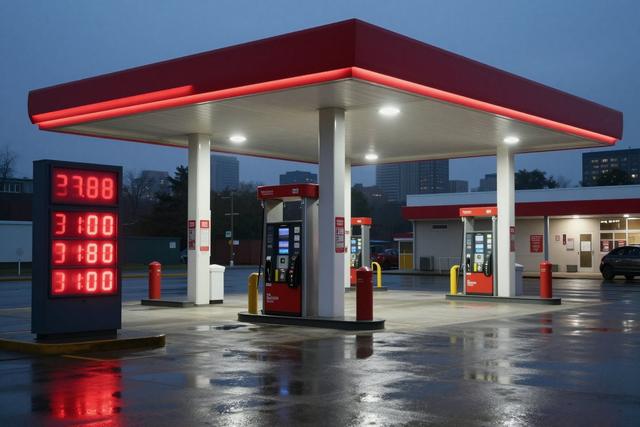
Gasoline costs in Montreal have surged to almost $2 per litre, the highest price recorded since the start of the year, according to Canadian fuel experts. The price, which hovered around $1.50 per litre in February 2026, has risen steadily over the past five months, reaching the near‑$2 mark by July.
The upward trend reflects a series of price adjustments that began in late February and have been repeated several times throughout the spring and early summer. Each increase has been modest in isolation but, when combined, has lifted the cost of a litre of gasoline by roughly 33 percent. The cumulative effect is evident at service stations across the province, where drivers now face a price tag that approaches $2 for the same amount of fuel they could have purchased for $1.50 only months earlier.
Fuel analysts attribute the escalation primarily to ongoing geopolitical tensions in the Middle East and other regions that influence global oil markets. Disruptions to supply chains, coupled with heightened uncertainty about future output, have pushed crude oil prices upward, a movement that inevitably filters down to retail gasoline. While local factors such as seasonal demand and refinery maintenance play a role in price fluctuations, experts emphasize that the dominant driver in this period has been the international environment.
The rise in gasoline costs arrives at a time when many Quebec residents are already coping with broader economic pressures. Higher fuel prices affect not only commuters but also businesses that rely on transportation, potentially leading to increased costs for goods and services throughout the province. Observers note that if the geopolitical situation remains volatile, the price of gasoline could edge even closer to the $2 per litre threshold before the end of the year.
Authorities have not announced any immediate measures to curb the price surge, leaving consumers to adjust their budgets as the market reacts to global developments. The situation underscores the interconnected nature of local fuel prices and distant geopolitical events, reminding drivers that the cost at the pump can be shaped by factors far beyond Quebec's borders.