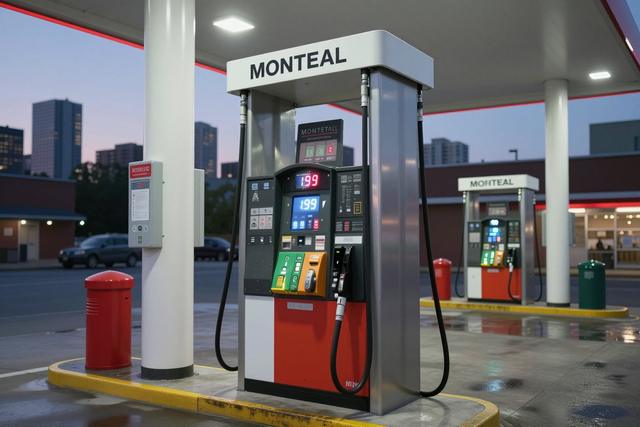
Gasoline prices in Montreal have climbed to almost $2 per litre, up from $1.50 per litre recorded in February 2026, according to Canadian fuel experts. The increase marks the latest step in a series of price rises that have affected the province since the start of the year.
Canadian fuel analysts attribute the upward movement to ongoing tensions in the Middle East and other regions that influence global oil markets. The geopolitical unrest has limited supply flows and contributed to higher wholesale costs, which are reflected in retail pump prices across Quebec.
Since February, the province has experienced several incremental hikes, each pushing the average price closer to the $2 benchmark. The pattern mirrors broader trends in North America, where fuel prices have responded to similar external pressures.
The near‑$2 per litre level in Montreal represents a significant shift for consumers who rely on gasoline for daily travel and commercial activities. While the exact impact on household budgets has not been quantified in the available data, the price trajectory suggests a continued strain on fuel‑dependent expenditures as long as the underlying international tensions persist.
Fuel experts note that the current price point is a direct result of market dynamics rather than local policy changes. They caution that further developments in the Middle East or related regions could sustain or amplify the pressure on gasoline costs, keeping prices near the $2 per litre threshold for the foreseeable future.
The situation underscores the connection between global events and regional fuel pricing, illustrating how external geopolitical factors can quickly translate into higher costs at the pump for drivers in Montreal and the wider Quebec area.