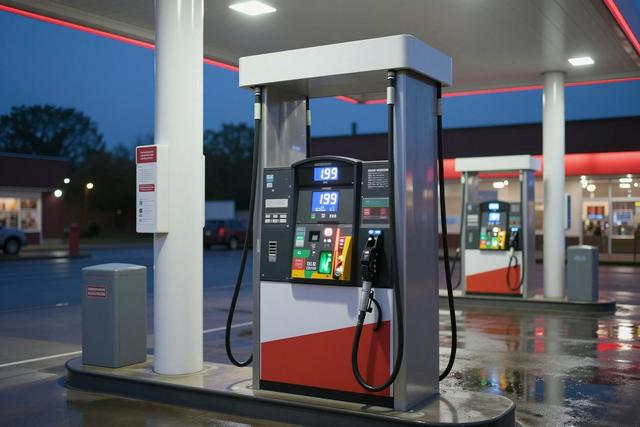
Gasoline prices in Montreal have risen sharply, moving from $1.50 per litre in February 2026 to almost $2 per litre by July 2026, according to Canadian fuel experts. The increase represents the most pronounced jump in the province’s fuel market since the start of the year.
The price climb has not been a single event. Since February, Quebec’s fuel costs have been adjusted upward several times, each revision nudging the retail price higher. By the middle of July, the average pump price in the city approached the $2 per litre mark, a level that had not been seen in recent months.
Canadian fuel analysts point to ongoing geopolitical tensions in the Middle East and other regions as the primary factor behind the sustained rise. Disruptions to oil supply chains and heightened uncertainty in global markets have pushed wholesale crude costs upward, a pressure that ultimately transfers to consumers at the pump.
The steady escalation has drawn attention from shoppers and advocacy groups alike, who voice concern over the impact on household budgets. While the price increase reflects broader international dynamics, the repeated adjustments within a short period have amplified public unease in Quebec, prompting calls for monitoring and possible policy responses.