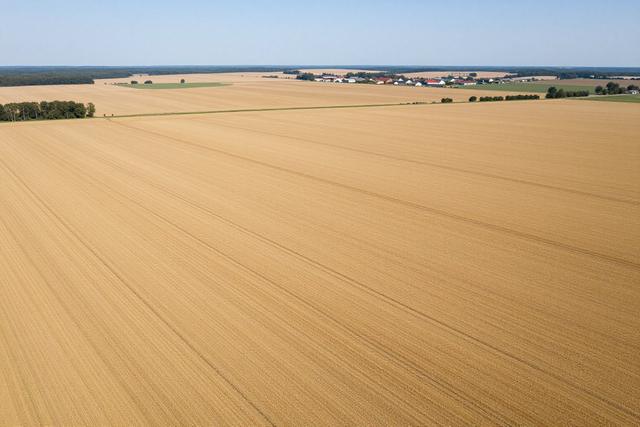
Quebec’s government announced on July 6, 2026 that a regulatory modernization will permit the addition of up to 200,000 hectares of land to the province’s cultivated area. The change is intended to expand the amount of farmland available to producers under a broad reform of agricultural regulations.
The policy shift is part of a larger effort to modernize rules governing land use for agriculture. By redefining criteria for what can be classified as farmable, the province aims to open new territories to growers, potentially boosting production capacity and supporting the sector’s long‑term viability.
The Agricultural Producers Union welcomed the decision, noting that the added acreage could help meet growing demand for food and provide opportunities for farm expansion. The union highlighted the potential economic benefits for rural communities and the agricultural workforce.
Environmental groups, however, expressed reservations about the plan. They warned that converting a large swath of land to cultivation could affect ecosystems, biodiversity, and climate‑related goals. The groups called for careful assessment of the environmental impact before the new lands are brought under active farming.
The regulatory overhaul marks one of the most significant adjustments to Quebec’s agricultural policy in recent years. Officials indicated that the new framework will include provisions to balance production goals with stewardship responsibilities, though specific measures were not detailed in the announcement.
Stakeholders will now monitor how the additional 200,000 hectares are allocated and managed, with attention to both economic outcomes for farmers and the environmental safeguards advocated by conservation advocates. The decision reflects Quebec’s broader strategy to strengthen its agricultural sector while navigating competing interests over land use.
The move sets the stage for further discussion among government bodies, industry representatives, and environmental advocates as the province proceeds with implementation of the new regulations.