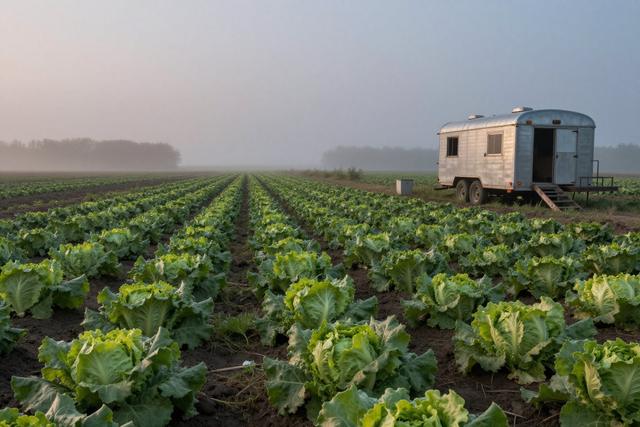
Quebec lettuce growers are reporting losses after U.S. buyers stopped purchasing their product in response to a cyclosporiasis outbreak. The reduction in demand has left the Canadian producers operating at a deficit as of 2026.
Roughly half of the lettuce harvested in Quebec is normally shipped across the border to the United States. The interruption of these shipments has removed a major revenue stream for the growers, who rely on the American market for a significant portion of their sales.
The health crisis in the United States, identified as a cyclosporiasis outbreak, has prompted retailers and distributors to pause imports of fresh lettuce from Quebec. While the disease is linked to contaminated food sources, the precautionary measures taken by U.S. buyers have directly impacted the flow of Quebec-grown lettuce.
Farmers in the province have indicated that the sudden halt in cross‑border sales is forcing them to operate at a loss. The financial strain is a result of production costs that continue despite the lack of orders, and the inability to redirect the surplus to other markets in the short term.
Industry analysts note that the situation underscores the vulnerability of agricultural sectors that depend heavily on a single export destination. With approximately 50 percent of the province's lettuce output traditionally destined for the United States, any disruption in that channel reverberates through the supply chain.
The Quebec agricultural community is monitoring the outbreak closely, awaiting indications that U.S. demand may resume. Until the health issue is resolved and import restrictions are lifted, the province's lettuce growers are expected to continue facing financial challenges.