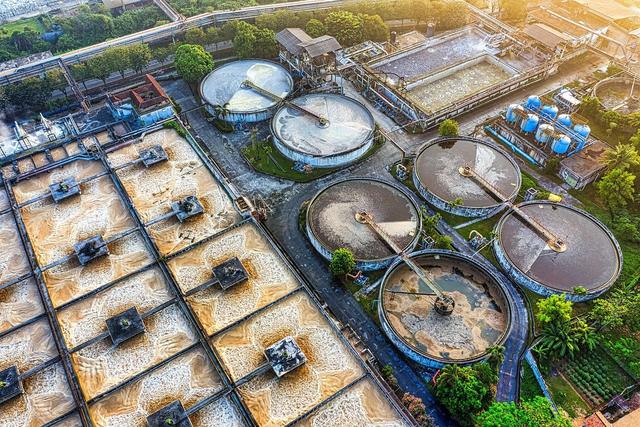
Quebec’s provincial government and the federal government in Ottawa have launched investigations into a series of cyberattacks that struck water‑treatment facilities during the summer of 2026. The probes focus on two Canadian plants that were compromised, as well as a larger wave of incidents that affected dozens of similar facilities across the United States.
Both levels of government confirmed that their teams are examining the methods used by the attackers and assessing any potential impact on water safety and service continuity. Officials said the investigations will involve technical analysis of the breaches, coordination with law‑enforcement partners, and outreach to the operators of the affected sites.
The Canadian incidents are part of a broader pattern of cyber activity targeting critical infrastructure. Recent months have seen an increase in attempts to infiltrate systems that manage essential services such as energy, transportation and water supply. This upward trend has prompted authorities to prioritize the security of networks that control public utilities.
In the United States, the attacks on dozens of water‑treatment plants have been reported to federal agencies, though specific details about the scope of damage or data loss have not been released. Canadian officials indicated that they are sharing information with their American counterparts as part of a coordinated response to the cross‑border threat.
While the investigations are ongoing, authorities have emphasized that there is no evidence of widespread contamination or service interruption at the sites in question. The focus remains on identifying the perpetrators, understanding how the breaches were carried out, and implementing measures to prevent future incidents against water‑treatment infrastructure.
The heightened scrutiny of these cyber incidents reflects a growing concern among policymakers about the vulnerability of essential services to digital attacks, and it underscores the need for robust cybersecurity practices across the sector.