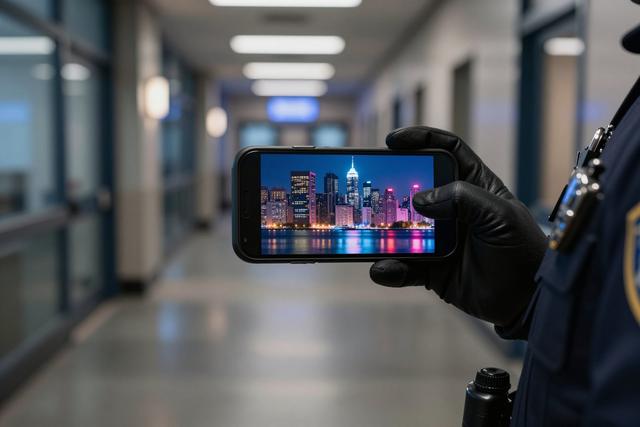
In August 2026, police services across Quebec have begun posting a growing number of images created with artificial‑intelligence tools on their official social‑media channels. This marks a shift toward digital content that is not captured by cameras but produced by algorithms.
The practice follows the broader emergence of AI image generators that can produce realistic pictures from textual prompts. Law‑enforcement agencies in the province have started to incorporate these tools into public communications, using the generated visuals to illustrate alerts, missing‑person notices, or community messages.
Officials say the technology offers speed and flexibility, allowing posts to be prepared quickly without the need for a photographer on site. The images can be tailored to match the tone of a warning or to depict scenarios that are difficult to capture in real life.
Critics, however, warn that the use of synthetic imagery may blur the line between fact and fabrication. When police share AI‑generated pictures, the risk of misinformation rises, especially if viewers cannot readily tell that the visual content was produced by an algorithm rather than an actual scene.
The concerns have prompted discussions among privacy advocates, legal scholars, and technology experts about the appropriate safeguards for public agencies. They suggest clear labeling of AI‑created content and guidelines to prevent accidental misrepresentation.
As Quebec police continue to experiment with the new medium, the province joins a growing number of jurisdictions worldwide that are testing the balance between innovative communication tools and the responsibility to maintain public trust.