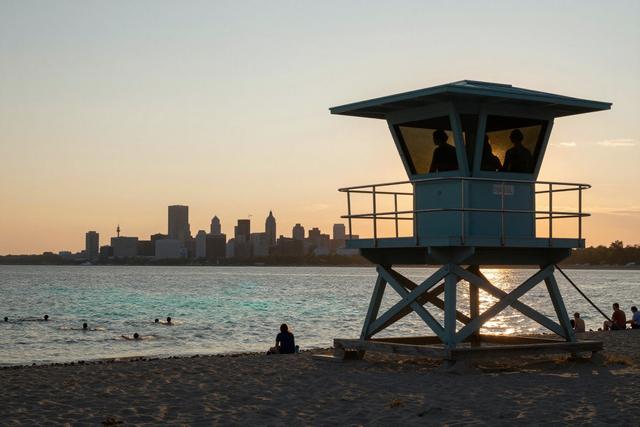
Quebec’s Lifesaving Society has confirmed 39 suspected drowning deaths in the province so far in 2026 and warned that the tally could increase during the next two weeks. The organization said the figure reflects a seasonal high that aligns with the summer period traditionally associated with the most water‑related fatalities.
The rise in incidents coincides with the start of the province’s construction holiday, a time when many families travel to lakes, rivers and beaches for recreation. Officials noted that the overlap of the holiday with the peak drowning season may contribute to the upward trend in the numbers being recorded.
According to the society, the 39 cases represent suspected deaths, meaning that each incident is still under investigation to confirm the cause. The group has not released additional demographic details, but it emphasized that the current count is the highest for this point in the year.
The Lifesaving Society expects the total to climb as the two‑week window progresses, reflecting the continued popularity of water activities throughout the summer months. While no specific locations have been highlighted, the organization’s monitoring covers the entire province of Quebec.
Public safety messages have been reiterated by local authorities, urging swimmers and boaters to observe caution, wear appropriate safety equipment and stay informed about water conditions. The society’s data collection efforts are ongoing, and updates will be provided as the situation develops.
The convergence of the construction holiday and the traditional summer drowning peak underscores the importance of heightened vigilance during this period. As the province moves deeper into the summer season, officials anticipate that the number of reported incidents will remain a key focus for emergency services and community outreach programs.
The Lifesaving Society’s report serves as a reminder of the risks associated with water recreation during the busiest months of the year, and it calls for continued public awareness to help mitigate further tragedies.