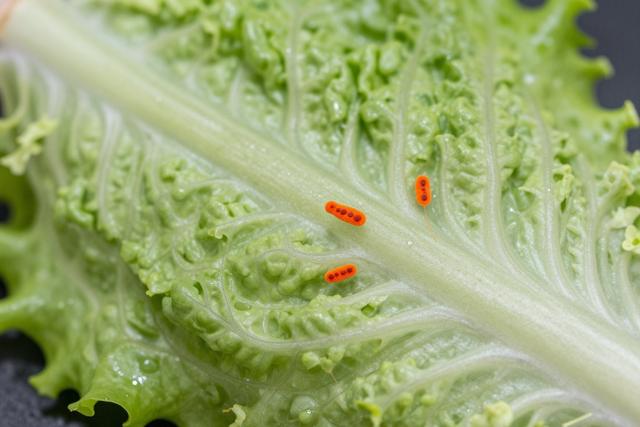
On July 11, 2026, Quebec health officials announced that 107 cases of Cyclospora infection have been recorded in the province. This figure marks an increase of 77 cases compared with the same reporting period a year earlier.
Cyclospora is a microscopic parasite that triggers diarrheal illness, often accompanied by abdominal cramps, nausea and fatigue. The organism is typically acquired when people consume fruits or vegetables that have been exposed to irrigation water contaminated with human or animal feces. Because the parasite survives in the environment, produce that is not thoroughly washed can serve as a vehicle for infection.
The rise in reported cases has prompted provincial health authorities to reinforce messages about safe food handling. Consumers are advised to wash fresh produce thoroughly under running water and, when possible, to peel or cook items that are commonly linked to outbreaks. Food service establishments are reminded to follow strict hygiene protocols, including proper sanitation of surfaces and equipment that come into contact with raw produce.
Epidemiologists note that Cyclospora infections tend to cluster in the summer months, when warmer temperatures and higher humidity create conditions favorable for the parasite’s survival in water sources. The current count reflects ongoing surveillance efforts that track gastrointestinal illnesses across the province. While the majority of cases are mild and resolve with appropriate treatment, the increase underscores the importance of continued vigilance in both agricultural practices and consumer habits.
Health officials continue to monitor the situation and will provide updates should the trend change. In the meantime, the public is encouraged to remain aware of the risks associated with contaminated produce and to adopt preventive measures to reduce the likelihood of infection.