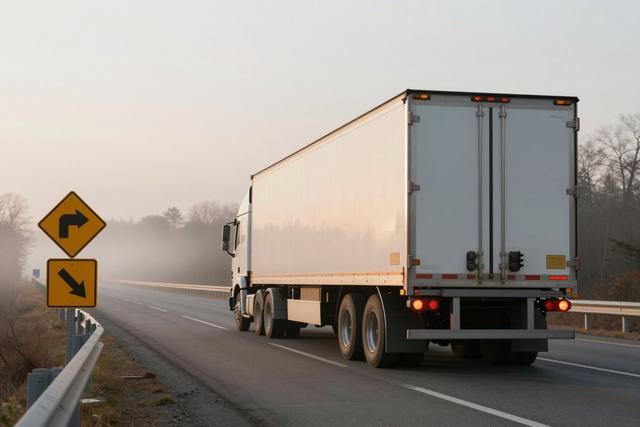
On September 1, 2026, the Quebec government announced a set of safety guidelines aimed at trucks and other heavy vehicles. The initiative is presented as a direct response to the province’s ongoing effort to lower the number of fatal collisions involving large vehicles on public roads.
The new guidelines are part of a broader provincial strategy to improve road safety for heavy‑weight traffic. Officials indicated that the measures are intended to address known risk factors and to encourage safer interactions between large trucks, cyclists and other road users. While the specific requirements have not been disclosed in detail, the emphasis is on clearer rules, better compliance and enhanced driver awareness.
Cycling advocacy groups welcomed the announcement but stressed that they continue to call for stronger legal measures. These organisations have previously urged the government to adopt stricter regulations and enforcement mechanisms to protect cyclists from the hazards posed by heavy trucks. Their ongoing dialogue with authorities reflects a desire to see the guidelines translate into tangible safety gains for vulnerable road users.
The government’s release outlines expectations for drivers, fleet operators and municipalities, although the precise provisions remain to be finalised. Authorities said the guidelines will be integrated into existing traffic‑safety frameworks and that their impact will be monitored over time. The focus on heavy‑vehicle operations is intended to reduce the high‑profile crashes that have drawn public attention in recent years.
By concentrating on the behaviour of large trucks, the province hopes to curb fatalities and serious injuries linked to these vehicles. The guidelines are expected to complement other road‑safety initiatives already in place across Quebec, creating a more coordinated approach to protecting all road users.
Cycling advocates indicated they will keep close watch on how the guidelines are applied and will work with officials to ensure that the intended safety improvements are realised. Their continued involvement underscores the importance of collaborative efforts between government and community groups in advancing road safety.