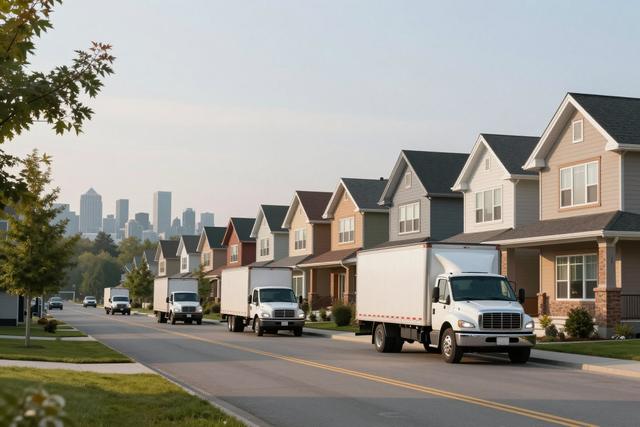
Quebec residents are increasingly relocating to the Laurentian region, drawn by the promise of larger homes, lower housing costs and closer access to natural settings. The shift is contributing to a projected rise in the Laurentians' population, even as provincial forecasts show Montreal shedding residents over the next 25 years.
The migration pattern reflects a growing desire among families and individuals for more living space and affordable property options. Buyers cite the appeal of spacious dwellings that are out of reach in the city, as well as the financial relief of reduced housing expenses. Proximity to forests, lakes and outdoor recreation also features prominently in the decision to leave the urban core.
Provincial demographic models released this month project a gradual decline in Montreal's population through the next quarter‑century. In contrast, the Laurentians are preparing for a steady influx of newcomers. Municipalities across the region are reviewing zoning plans and infrastructure capacities to accommodate the anticipated demand for housing, schools, roads and public services.
Local officials note that the expected growth will place pressure on existing amenities while also presenting opportunities for economic development. The need for new construction and expanded utilities is prompting coordinated efforts between municipal governments and provincial agencies. Adjustments to land‑use policies aim to balance development with the preservation of the natural environment that attracts many of the new residents.
If current trends continue, the Laurentians could see a measurable increase in population by the end of the 25‑year horizon, reshaping the demographic landscape of the area. Meanwhile, Montreal's shrinking resident base may lead to a reevaluation of housing strategies and urban planning priorities across the province.