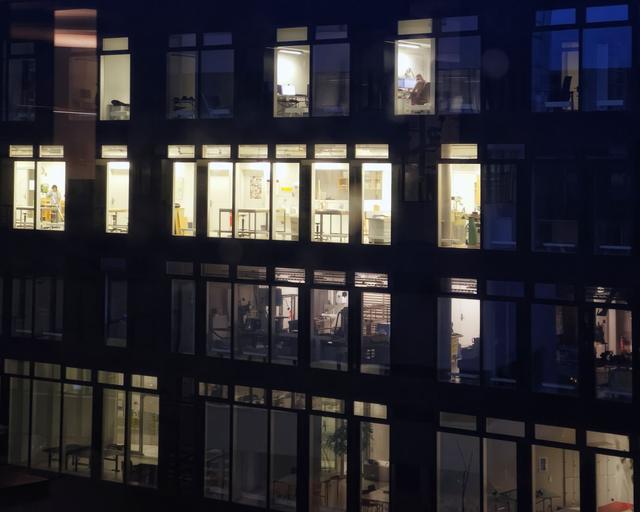
On Monday, August 3, 2026, several Quebecor divisions started installing heat‑sensing devices beneath office desks at their Quebec locations. The sensors are intended to record temperature variations that indicate whether a workstation is occupied, providing real‑time data on desk usage.
The technology will be used to monitor occupancy patterns and to improve the management of hybrid workspaces. By tracking when desks are in use, the company aims to allocate space more efficiently and to adjust policies that support employees who split their time between remote and on‑site work.
The rollout is part of a broader move by employers to adopt sensor‑based solutions as hybrid work arrangements become a standard feature of the modern workplace. Companies are increasingly seeking objective data on how often physical workstations are utilized, hoping to reduce unused space and to optimize office layouts.
Quebecor’s installation of the heat sensors reflects this trend. The devices are placed discreetly under each desk and operate by detecting body heat, a method that does not rely on cameras or other invasive monitoring tools. The data collected will be aggregated to give managers a clearer picture of desk occupancy throughout the day.
While the specific metrics and analysis methods have not been disclosed, the initiative underscores the growing interest in leveraging technology to support flexible work models. The sensors are expected to be fully operational shortly after installation, and Quebecor plans to use the information gathered to refine its hybrid work strategy across its Quebec operations.
The deployment follows similar efforts by other organizations that are turning to sensor technology to navigate the challenges of balancing remote work preferences with the need for collaborative office environments. By focusing on occupancy data, Quebecor aims to make informed decisions that benefit both the company and its workforce.