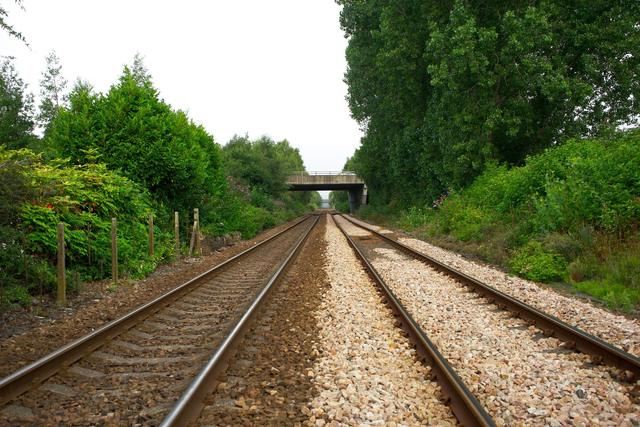
A railway worker died after being struck by a train while performing night‑time maintenance on the tracks at the Port of Montreal on September 12, 2026. The incident occurred near the Jacques‑Cartier Bridge, a location where the port’s rail corridor runs close to the bridge structure and where crews sometimes work after dark.
According to officials, the worker was on the tracks when a train passed through the area. The collision resulted in a fatal injury, and emergency responders confirmed the death at the scene. No other individuals were reported injured, and train operations were temporarily halted while investigators and safety personnel secured the site.
The Port of Montreal’s rail corridor is a key component of the region’s freight network, linking shipping facilities with inland destinations. Its proximity to the Jacques‑Cartier Bridge means that maintenance activities often take place in a confined space that is shared with active rail traffic. Night‑time work is scheduled to reduce disruption to daytime freight movements, but it also requires strict coordination with train schedules and safety protocols.
Authorities have opened an investigation to determine the circumstances surrounding the accident, including whether proper safety measures were in place and whether communication between the worker’s crew and rail traffic control was adequate. The investigation will examine standard operating procedures for night‑time track work, the use of warning signals, and any potential gaps in protective measures.
The Port of Montreal and the railway operator have expressed condolences to the worker’s family and indicated that a review of safety practices will be conducted. The incident underscores the inherent risks associated with railway maintenance, especially in busy industrial zones where trains operate around the clock. The rail corridor near the Jacques‑Cartier Bridge is expected to resume normal service after the completion of safety checks and clearance procedures.
The investigation’s findings are expected to be released in the coming weeks, and they may inform future protocols for night‑time maintenance work on the port’s rail infrastructure.