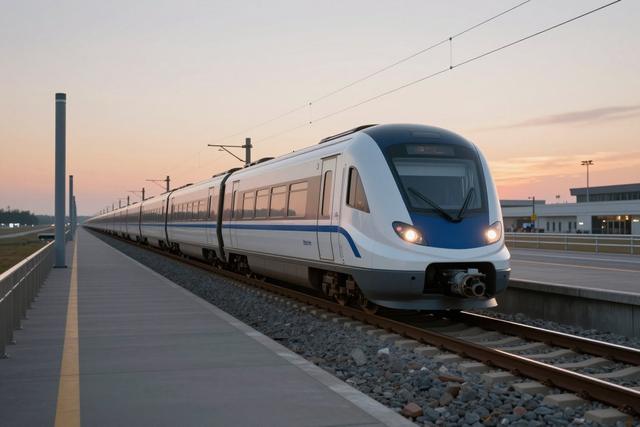
Automated low‑speed test trains began operating on the future REM line to Montreal‑Trudeau Airport during the week of August 13, 2026. The trial runs mark the first use of driver‑less vehicles on the airport branch and are part of the schedule to finish the segment by the end of 2027.
The Réseau express métropolitain, a rapid‑transit network under construction across Greater Montreal, has been expanding its reach to include a dedicated spur to the city’s main airport. The current phase focuses on validating the automated systems that will eventually carry passengers between downtown Montreal and the airport. The low‑speed tests allow engineers to assess track performance, signaling, and vehicle control under real‑world conditions without carrying fare‑paying riders.
The test trains operate on the newly laid track that will form the core of the airport connection. While the runs are limited to short distances and reduced speeds, they are essential for confirming that the infrastructure meets safety and reliability standards before full service begins. Completion of the airport branch is slated for late 2027, aligning with the broader timetable for the REM network’s rollout.
The REM project, financed by provincial and municipal partners, aims to provide a high‑frequency, electric rail service linking key areas of the metropolitan region. The airport spur will offer a direct, rail‑based alternative to road travel for travelers and airport employees, reducing reliance on cars and buses. By introducing automated test operations now, the project stays on track to meet its 2027 deadline, ensuring that the new line will be ready for passenger service as part of the system’s overall expansion.
Stakeholders anticipate that the completed airport branch will integrate seamlessly with the existing REM lines, creating a continuous, city‑wide rapid‑transit corridor. The successful start of automated testing represents a concrete step toward that goal, demonstrating progress on one of the network’s most visible components.