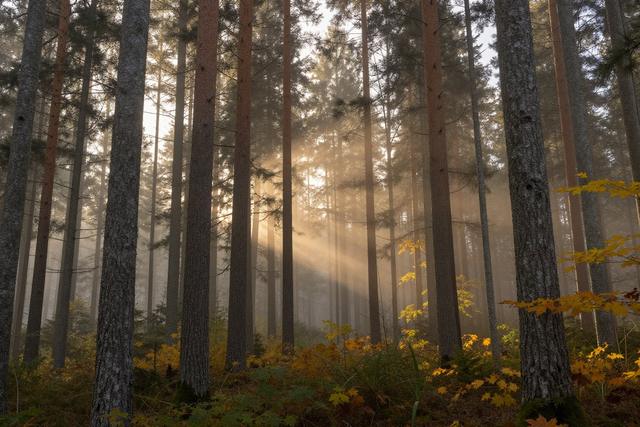
Researchers have begun a systematic search to determine whether Quebec’s oldest white pine stands in the Lanaudière region. The effort, launched on 22 August 2026, focuses on the province’s central‑eastern forested landscape, where several ancient specimens are suspected to exist.
White pines in Quebec are known to survive for multiple centuries, making them among the longest‑lived tree species in the area. Locating the single oldest individual would provide scientists with a living reference point for studying the region’s ecological history, growth patterns, and resilience to climate variations.
The investigation involves teams moving through Lanaudière’s mixed woodlands, mapping mature white pines and recording their dimensions. While no specific trees have been singled out, the methodology includes measuring trunk circumference, assessing bark condition, and, where permissible, extracting core samples to estimate age through ring counts. Researchers emphasize that any data gathered will contribute to a broader understanding of the province’s natural heritage.
Officials overseeing the project note that the search aligns with ongoing conservation priorities, as ancient trees often serve as keystone habitats for a variety of wildlife. By confirming the location of the oldest white pine, conservation strategies can be refined to protect not only the tree itself but also the surrounding ecosystem that depends on its presence.
The search is expected to continue throughout the fall, with periodic updates anticipated as field teams narrow down candidate trees. While the exact age of the potential oldest specimen remains unknown, the endeavor underscores the importance placed on preserving Quebec’s forest legacy and the scientific insights that such venerable trees can offer.
The outcome of the Lanaudière investigation will be reported once sufficient evidence is collected to confirm whether the province’s most senior white pine resides within its borders.