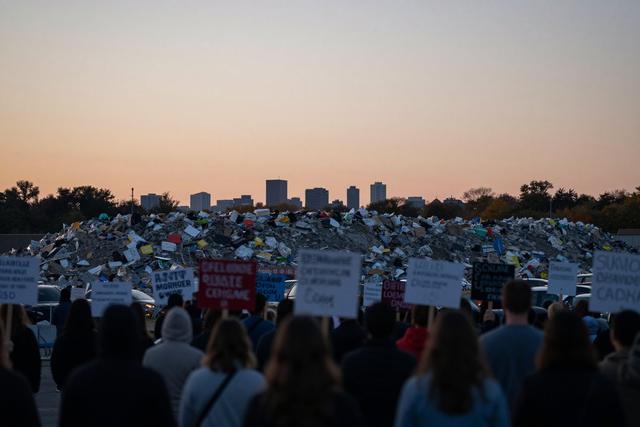
On August 16, 2026, residents of the Montreal suburb of Blainville gathered to voice opposition to a proposed expansion of the Stablex hazardous waste landfill located near their neighbourhoods. The demonstration centered on concerns that the landfill, owned by a United States company, sits too close to homes and could expose the community to toxic chemicals.
Protesters assembled in the vicinity of the site, holding signs and speaking aloud their objections. They stressed that the proximity of the waste facility to residential streets raises the risk of contamination, and they called for the expansion plans to be halted. The crowd included families and long‑time locals who said the presence of the landfill already affects daily life in the area.
Stablex, the operator of the landfill, has not issued a public statement at the time of writing. The company’s facility is classified as a hazardous waste landfill, a designation that implies the storage of materials requiring special handling and containment. While the company’s ownership and the nature of the waste have been identified, details about the specific types of chemicals stored were not disclosed.
The protest adds to ongoing local debate over land use and environmental safety in Blainville. Residents argue that the expansion would increase the volume of hazardous material stored on site, thereby heightening the potential for accidental releases. They also point to the site's location within a residential zone as a factor that could amplify health risks.
Municipal officials have not yet announced a formal response to the demonstration. The city’s planning department is expected to review the expansion proposal in accordance with provincial regulations governing hazardous waste facilities. Meanwhile, community members continue to monitor the situation, emphasizing the need for transparency and precaution in managing the landfill’s operations.
The event reflects broader concerns among Quebec communities about the placement of industrial waste sites near populated areas, especially when ownership extends beyond provincial borders. As the debate proceeds, the outcome of the expansion plan remains uncertain, pending further review by local authorities.