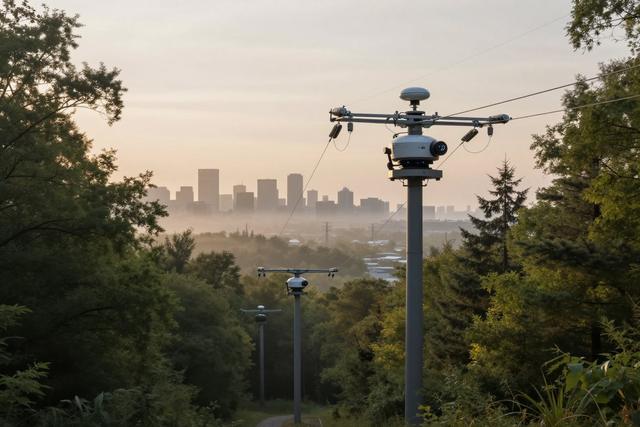
On Monday, July 27, 2026, local robotics company Tessellate Robotics introduced a new autonomous robot in Montreal that will be tasked with inspecting the infrastructure of Hydro-Québec. The device is built to operate around the clock, providing uninterrupted surveillance of the utility’s power network.
The robot is equipped to travel along transmission lines, substations and related assets, gathering visual and sensor data that can be reviewed by engineers. Its design allows it to function in both daylight and nighttime conditions without the need for human intervention.
Hydro-Québec plans to use the continuous data stream to identify wear, corrosion or other signs of deterioration early, enabling preventative maintenance and reducing the likelihood of service interruptions.
The deployment reflects a broader effort by the province’s main electricity provider to incorporate advanced technology into its operations. By partnering with the Montreal‑based Tessellate Robotics, Hydro-Québec aims to modernize its inspection regime and improve the reliability of the grid that supplies power to millions of customers across Quebec.
The robot will initially be rolled out on selected sections of the network, with the performance monitored before any wider adoption. Both organisations expect the system to enhance safety for field crews by limiting the need for manual inspections in hazardous locations.
Continuous monitoring enables the robot to spot emerging anomalies and relay the information to Hydro-Québec’s control centre in real time, allowing maintenance crews to plan interventions before minor issues evolve into major faults. This method differs from traditional periodic inspections that depend on scheduled field visits.
The project highlights the role of Montreal‑based technology firms in supporting critical infrastructure. Tessellate Robotics contributes its local engineering capacity to a utility that serves the province’s households and industry, illustrating a partnership that blends regional innovation with essential public services.