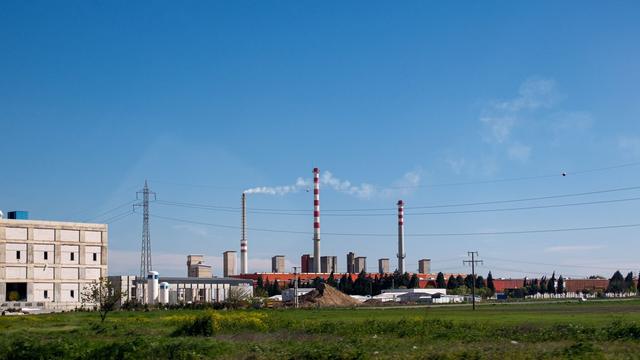
Residents of Rouyn‑Noranda have voiced renewed worries about pollution stemming from the town’s long‑standing copper smelter as the facility and the city celebrate a shared century of operation. In 2026, community members approached municipal officials, representatives of the smelting company, and members of the Quebec National Assembly to discuss the environmental impact of the plant that has been a fixture of the region for a hundred years.
The dialogue, initiated by local residents, has prompted a series of meetings that bring together the city council, the smelter’s management and provincial legislators. While the city and the company mark the milestone with public events and historical retrospectives, the conversations with officials focus on how to address ongoing concerns about air and water quality that have persisted throughout the plant’s history.
City authorities acknowledge the significance of the anniversary, noting the economic role the smelter has played in Rouyn‑Noranda’s development. At the same time, they have agreed to review existing environmental safeguards and to explore additional measures that could reduce emissions. The smelting company, which has operated continuously for a century, has expressed willingness to engage with the community and to cooperate with provincial regulators.
Provincial representatives from the Quebec National Assembly have pledged to monitor the situation and to ensure that any required compliance actions are pursued. They emphasized that the anniversary does not diminish the responsibility to protect public health and the surrounding ecosystem.
The centennial celebrations have therefore unfolded alongside a cautious assessment of the plant’s environmental footprint. Residents remain vigilant, urging that the historic achievement be matched by concrete steps to improve air and water quality. The ongoing discussions reflect a broader regional debate about balancing industrial heritage with modern environmental standards.
As the town marks 100 years of copper smelting, the outcome of these talks will shape how Rouyn‑Noranda navigates its industrial legacy while addressing the community’s call for cleaner surroundings.