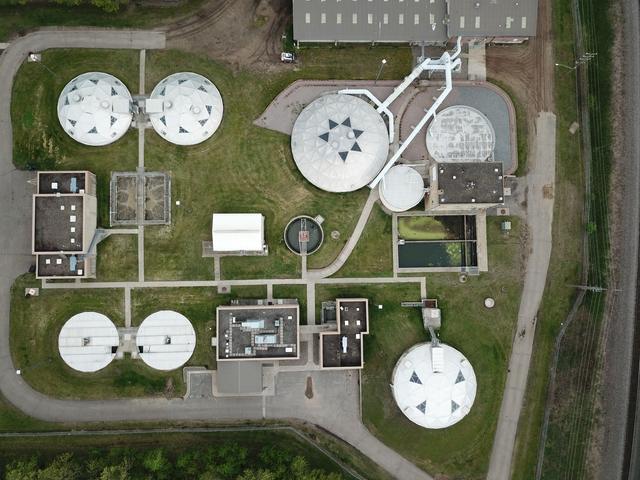
On Sunday, August 2, 2026, at 16:29:32 EDT, the drinking water facility serving the municipality of Saint‑Noël, Quebec, was compromised by a cyberattack that officials say originated from an organized Russian hacking group. Municipal authorities confirmed that the intrusion targeted the town’s water‑treatment infrastructure, prompting an immediate response from local IT staff and external cybersecurity specialists.
Cybersecurity experts who were called in to assess the breach quickly traced the digital footprint back to the Russian group, noting patterns of activity that matched previous campaigns attributed to the same actors. The experts’ analysis linked the malicious code and network access methods directly to the organized hacking operation, confirming the link between the intrusion and the foreign threat.
Municipal officials have not disclosed the extent of the damage to the water system, but they emphasized that the primary concern is the integrity of the drinking water supply. The municipality announced that it is working with provincial authorities and the cybersecurity team to contain the breach, secure vulnerable entry points, and restore normal operation of the facility. No public health advisory has been issued at this time, and the town’s water quality monitoring continues as usual.
The incident adds Saint‑Noël to a growing list of Canadian communities that have faced cyber threats against critical infrastructure. While the investigation is ongoing, authorities are focusing on identifying how the attackers gained initial access, the duration of their presence in the network, and any data that may have been exfiltrated. The municipality plans to release a detailed report once the forensic analysis is complete.
This breach underscores the increasing relevance of cyber‑security measures for essential public services. The coordinated effort by the municipality, provincial partners, and cybersecurity experts aims to mitigate the immediate risk and reinforce the town’s defenses against future attacks.