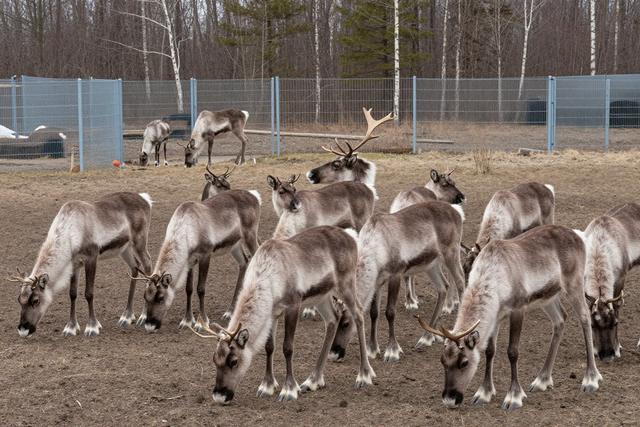
In May 2026, the Quebec government reported the birth of sixteen caribou fawns, raising the number of animals in the province's captive breeding program. The newborns join a managed herd that is part of a long‑term effort to restore caribou populations across the region.
The fawns were born under the care of provincial wildlife officials who oversee the captive breeding initiative. The program, which has operated for several years, aims to increase the number of healthy caribou that can eventually be reintroduced into the wild, where numbers have declined due to habitat loss, predation and other pressures.
Each new fawn represents an addition to the genetic pool maintained by the program, helping to preserve diversity and improve the prospects for future releases. Officials noted that the sixteen births are a positive indicator that the breeding environment is supporting reproductive success.
The captive herd serves as a safeguard against further loss in the wild, providing a source of animals that can be used for reintroduction projects or for research on caribou health and behavior. By expanding the herd, the province hopes to strengthen its capacity to meet reintroduction targets set by conservation plans.
While the exact number of caribou currently held in captivity was not disclosed, the addition of sixteen fawns marks a measurable increase in the herd's size. The government plans to continue monitoring the fawns as they mature, ensuring they receive appropriate care before any potential release.
The births come at a time when provincial authorities are intensifying efforts to reverse the decline of caribou throughout Quebec. The captive breeding program remains a central component of that strategy, providing a controlled setting for reproduction and a reservoir of animals that may help rebuild wild populations in the years ahead.