The Société de transport de Montréal (STM) launched a trial of artificial intelligence technology on Friday, September 4, 2026, aimed at identifying passengers who loiter in the subway system. The initiative, overseen by STM representative Catherine Dupont-Gagnon, involves covert monitoring of riders to flag prolonged presence in stations or train cars.
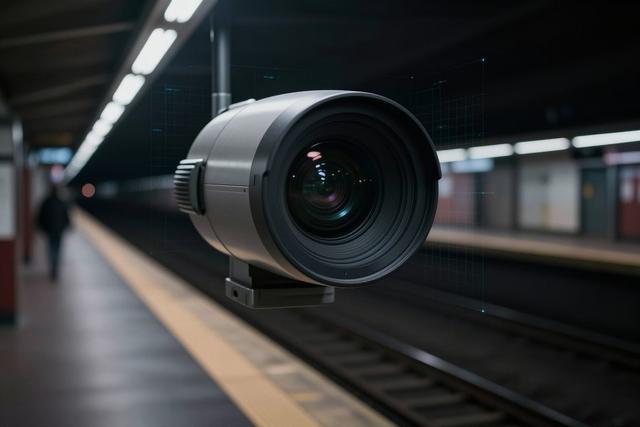
The AI system analyzes video feeds from existing surveillance cameras and generates alerts when it detects patterns that match loitering behavior. STM officials say the pilot is intended to improve safety and reduce incidents linked to individuals who remain in transit areas without a clear purpose. The agency has not released details on the duration of the trial or the specific criteria used by the algorithm.
A cybercrime prevention specialist raised concerns about the deployment, noting that the technology could raise privacy and ethical questions. The specialist warned that continuous, automated observation of commuters might infringe on civil liberties and called for clear guidelines governing data handling, retention, and oversight.
While the STM emphasizes that the AI operates within the framework of existing security measures, the lack of public disclosure about the trial's scope has prompted debate among privacy advocates. Critics argue that without transparency, passengers cannot assess how their movements are being recorded and analyzed.
The trial comes at a time when transit agencies worldwide are exploring advanced surveillance tools to address security challenges. However, the balance between enhanced safety and the protection of individual rights remains a focal point of discussion in Montreal. The STM has indicated that results from the test will inform future decisions on broader implementation, but no timeline for a public review or policy update has been provided.
As the AI experiment proceeds, both supporters and skeptics will be watching how the technology performs and whether it aligns with community expectations for privacy and security in public transportation.