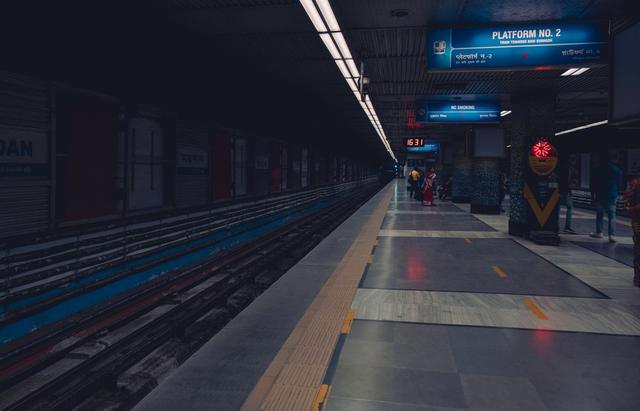
The Société de transport de Montréal (STM) has begun a pilot program that uses artificial‑intelligence software to locate people loitering in its subway system. The initial trial focuses on two stations and targets individuals who remain in stations for extended periods, a group that includes many homeless people.
The AI system works by analysing live video feeds from existing surveillance cameras. When the software identifies a person lingering beyond a predefined time threshold, it generates an alert that is sent to station staff for further action. The technology is designed to operate in real time, allowing personnel to respond more quickly than with manual monitoring alone.
The trial started on 4 September 2026, with the STM selecting two stations for the first phase. If the pilot meets its performance targets, the agency plans to add three additional stations to the program. No specific timeline for the expansion has been announced, and the pilot’s duration will be evaluated before any further rollout.
According to the STM, the primary goal of the initiative is to improve the ability to identify and address loitering, which the agency says often involves itinerant individuals. By pinpointing where loitering occurs, the transit authority hopes to allocate staff and resources more efficiently and maintain a safer environment for passengers.
The use of AI marks a shift from the STM’s traditional reliance on human observation and standard video monitoring. While the agency has long employed cameras for security purposes, this is the first instance of automated pattern‑recognition software being deployed across its network.
The STM has indicated that the system will operate within existing privacy regulations. Data handling procedures are being reviewed to ensure compliance with provincial privacy laws, and the agency says that footage will be stored only as long as necessary for operational use.
The pilot will continue for several months, after which the STM will assess the technology’s accuracy, its impact on station operations, and any public feedback before deciding on broader implementation.