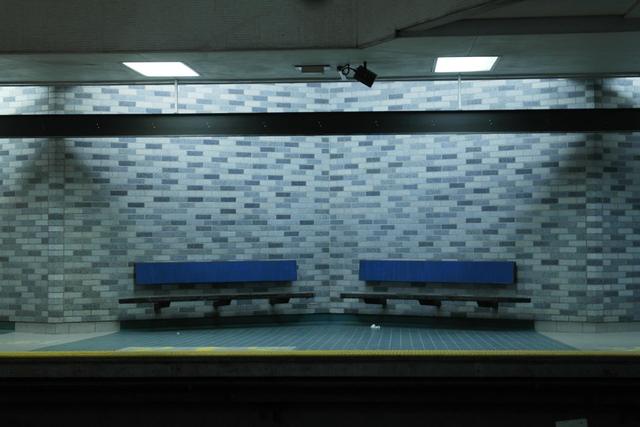
On Friday, the Société de transport de Montréal (STM) confirmed it is running a pilot of an artificial‑intelligence system designed to identify individuals who remain on metro platforms for extended periods. The technology, which scans video feeds from station cameras, aims to flag possible loitering behavior for further review by transit staff.
The trial has been underway for several months, according to STM officials, and has been conducted without public announcement. The agency says the tool is part of a broader effort to improve safety and operational efficiency across its subway network, which serves millions of riders each year.
Observers and privacy advocates have voiced criticism of the quiet rollout. They argue that deploying facial‑recognition‑style analytics in public transit raises concerns about constant monitoring and the potential for misuse. The lack of public consultation, they note, limits the ability of passengers to assess how their data might be collected and stored.
STM representatives have responded that the system does not record personal identities but merely alerts staff when a person appears to linger beyond normal boarding and alighting times. They emphasize that any follow‑up action will be carried out by human operators, not by the algorithm itself, and that the pilot will be evaluated for accuracy and impact before any wider deployment.
The initiative arrives at a time when transit agencies worldwide are experimenting with AI‑driven surveillance to deter crime, manage crowding, and streamline operations. While proponents highlight the potential for quicker response to incidents, the STM’s experiment underscores the ongoing debate between technological innovation and civil liberties in public spaces.