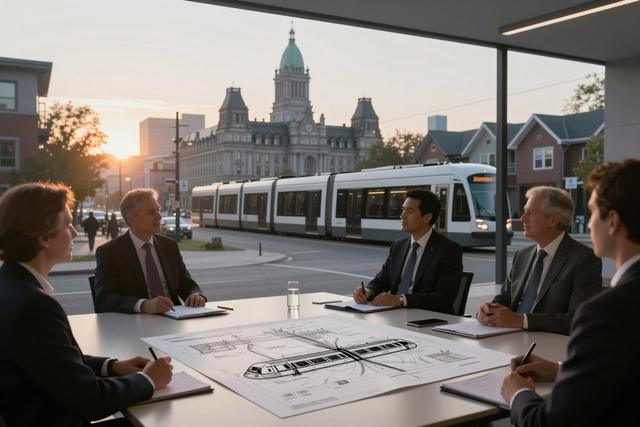
On Friday, September 11, 2026, the mayors and mayresses of Montreal’s surrounding suburbs gathered to signal a common priority for their municipalities. In a coordinated statement, they identified the improvement of public transit as the central issue binding the group of elected officials.
The collective emphasis on better collective transportation reflects a shared belief that enhanced transit services will benefit residents across the Greater Montreal area. Leaders highlighted that coordinated efforts could address mobility challenges and support sustainable growth throughout the region.
This consensus emerges amid broader regional discussions that have been ongoing among municipal authorities in the Greater Montreal area. While debates have covered a range of topics, public transit has risen to the forefront as a point where suburban leaders find common ground. By focusing on this issue, the mayors and mayresses aim to influence provincial and regional planning processes that shape transportation infrastructure.
The unified stance is intended to strengthen the suburbs’ voice in upcoming negotiations and policy reviews. Officials expect that presenting a clear, collective demand for transit improvements will increase the likelihood of securing funding and project approvals that align with the needs of their communities. The emphasis on public transit also aligns with broader environmental and economic objectives that many municipalities in Quebec are pursuing.
As the dialogue continues, the suburban leaders plan to maintain regular communication and coordinate advocacy efforts. Their goal is to ensure that any future transit initiatives consider the specific requirements of each suburb while adhering to the shared vision of a more connected and efficient public transportation network for the Montreal metropolitan region.
The rallying around public transit signals a notable shift toward collaborative regional planning, with municipal leaders presenting a united front to address a critical infrastructure need that affects daily life for thousands of commuters in the suburbs surrounding Montreal.