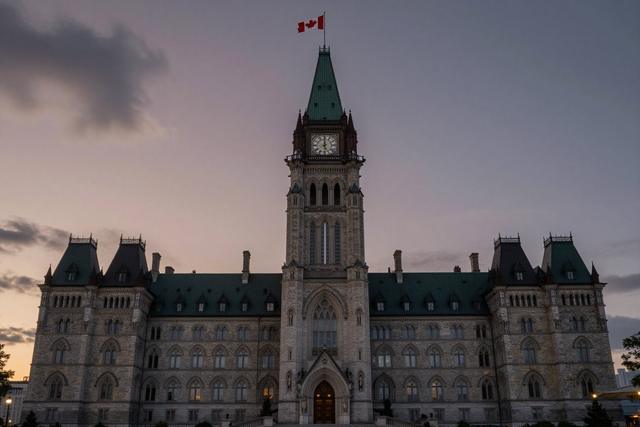
The Supreme Court of Canada has officially invalidated the result of the 2025 federal election in the Quebec riding of Terrebonne, overturning a victory that was decided by a single ballot for a Liberal candidate. The Court’s ruling removes the one‑vote margin that had secured the seat in the closely contested race.
The decision follows a legal challenge triggered by the razor‑thin outcome of the 2025 vote. Parties involved argued that the narrowness of the result raised concerns about the integrity of the electoral process. After reviewing the case, the nation’s highest court concluded that the result could not stand without jeopardising public confidence in the system.
By nullifying the election outcome, the Supreme Court has effectively erased the Liberal candidate’s brief tenure in the House of Commons for Terrebonne. The ruling emphasizes the importance of maintaining trust in democratic institutions, a principle the Court cited as central to its judgment.
The invalidation does not alter any other election results across Canada, but it does leave the representation of Terrebonne temporarily unresolved. Electoral officials are expected to follow established procedures to address the vacancy, which may involve a by‑election or other mechanisms prescribed by law.
Legal experts note that the case underscores the potential impact of extremely close races on the judicial system. While the margin was only one vote, the Court’s intervention demonstrates that even the smallest discrepancies can prompt significant legal scrutiny when they threaten public perception of fairness.
The ruling arrives at a time when confidence in electoral processes remains a focal point for policymakers and voters alike. By taking this step, the Supreme Court aims to reinforce the principle that every vote must be counted accurately and that any doubts about the outcome must be resolved through the courts to preserve democratic legitimacy.