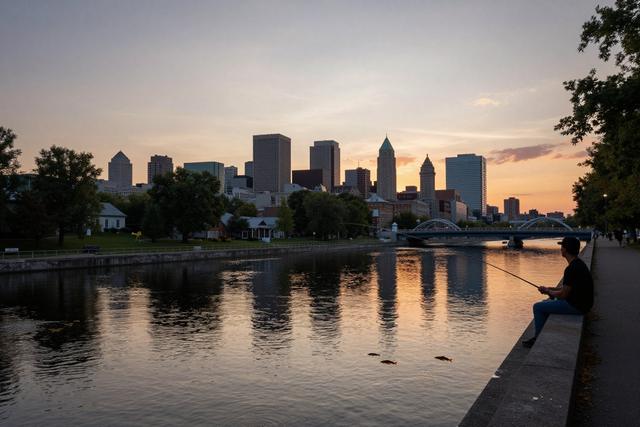
More than 50 fish species have been identified in Lake Saint-Louis and the Lachine Canal, according to Ron Touaty. The observation underscores the breadth of aquatic life that thrives within Montreal’s urban waterways. Anglers navigating these city‑bound bodies of water can encounter a wide variety of fish, reflecting the ecological richness that persists despite the surrounding development.
The presence of such a diverse fish community in both the lake and the canal highlights the capacity of the city’s water systems to support multiple habitats. From larger sport fish to smaller native species, the range of identifiable fish points to a balanced ecosystem that benefits both recreational anglers and local biodiversity.
Urban fishing in Montreal has become a notable activity, drawing residents who seek the experience of casting lines in a metropolitan setting. The ability to locate over 50 distinct species within these waterways provides participants with a unique opportunity to engage directly with the city’s natural resources. This diversity also offers a practical illustration of how urban planning and water management can coexist with thriving aquatic life.
The findings reported by Touaty serve as a reminder that city waterways are not merely conduits for transport or drainage, but also habitats capable of sustaining a substantial number of fish species. As anglers continue to explore Lake Saint-Louis and the Lachine Canal, the ongoing presence of this varied fish population reinforces the importance of maintaining water quality and habitat connectivity within the urban environment.
Overall, the documentation of more than 50 fish species in Montreal’s lake and canal reinforces the city’s reputation as a place where urban living and natural ecosystems intersect, providing residents with both recreational opportunities and a living example of urban biodiversity.