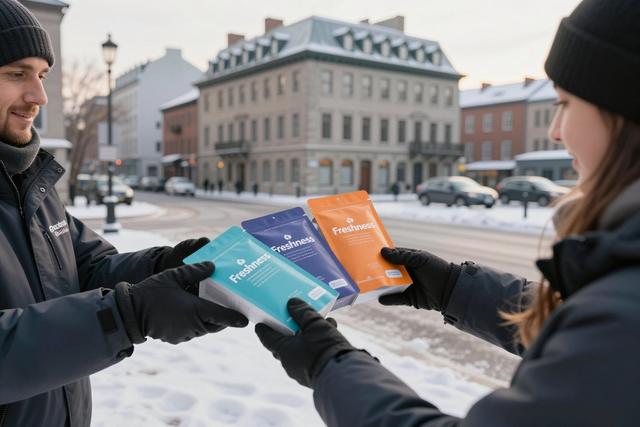
On July 7, 2026, a group of volunteers handed out freshness kits to residents deemed vulnerable in several Montreal neighbourhoods experiencing elevated temperatures. The distribution took place across areas identified as heat islands, where temperatures have risen above the citywide average during the ongoing heat wave.
The kits, assembled by local community groups, contain items intended to help individuals stay cool and hydrated. While specific contents were not detailed, such packages typically include water bottles, cooling towels, and basic hygiene supplies. Volunteers moved through streets and public spaces, offering the kits directly to those most at risk from the extreme heat.
The initiative responds to a recent surge in temperature readings across Montreal, with meteorological reports indicating a prolonged period of high heat. City officials have warned that heat islands—urban zones that retain more warmth due to concrete and reduced vegetation—exacerbate the conditions for residents lacking adequate cooling options. In response, community organisations have mobilised resources to reach people living in apartments, shelters, and other housing that may not provide sufficient climate control.
Organisers of the effort emphasized the importance of immediate assistance, noting that vulnerable groups, including the elderly and those with limited mobility, are particularly susceptible to heat-related health issues. By delivering the freshness kits, volunteers aim to reduce the risk of dehydration and heat exhaustion among these populations.
The distribution event is part of a broader pattern of grassroots actions emerging throughout Montreal as the city contends with the heat wave. Various neighbourhoods have reported similar outreach programs, ranging from pop‑up cooling stations to the provision of portable fans. These measures complement public health advisories issued by municipal authorities, which encourage residents to stay indoors during peak temperature hours and to seek shade or air‑conditioned environments whenever possible.
As the heat wave persists, volunteers plan to continue their outreach, adapting distribution routes to target additional at‑risk areas. The collective effort underscores the role of community participation in addressing the challenges posed by extreme weather events in urban settings.