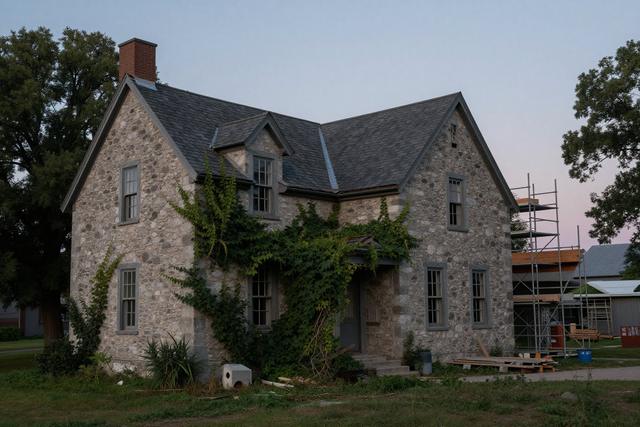
On Tuesday, August 25, 2026, a debate intensified in Montreal’s West Island over what should happen to a deteriorating 18th‑century farmhouse that sits on a vacant lot. Local residents are split, with some advocating for a full restoration of the historic structure and others urging that it be left as is. The West Island mayor has publicly warned that the building’s continued decay could eventually create a safety hazard for pedestrians and nearby properties.
The farmhouse, which dates back to the 1700s, has become the focal point of a preservation versus demolition dispute that has drawn attention from heritage advocates and neighbourhood groups alike. Supporters of restoration argue that the building provides a tangible link to the region’s early settlement history and contributes to the cultural landscape. Opponents point to the advanced state of decay and question whether the resources required for a careful restoration are justified.
The mayor’s position emphasizes the potential hazard posed by the crumbling walls and an unstable roof, noting that if the structure is not secured or removed, it could pose a risk to passersby and nearby residents. Municipal officials have not yet announced a definitive plan for the site, but the mayor’s warning adds pressure to the community discussions and may influence any forthcoming decisions.
The farmhouse stands as a representation of 18th‑century architecture in the West Island, offering a physical reminder of the area’s early agricultural roots. Its presence on the landscape underscores the contrast between historic rural buildings and the modern suburban development that now surrounds it.
The ongoing dispute could lead to either a restoration effort, potentially involving private donors or public funds, or demolition of the structure to eliminate the perceived safety risk. The direction taken will depend on how municipal authorities weigh heritage value against public safety concerns.
The outcome will influence how the West Island balances the preservation of historic sites with the practical responsibilities of maintaining safe neighbourhoods. Residents and officials alike will watch the decision as an indicator of the city’s approach to similar heritage challenges in the future.