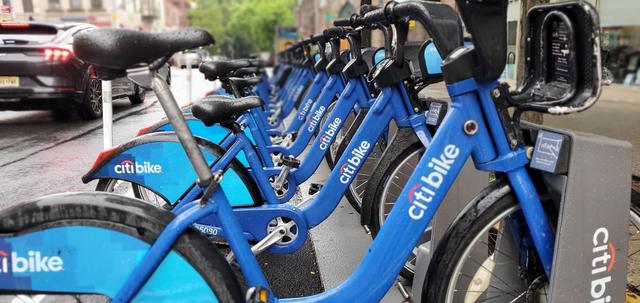
A New York City artist has devised a small device that can be clipped onto the fork of a Citi Bike, creating additional resistance that makes the bicycle harder to pedal. The invention is intended for use in neighborhoods where residents face steep rental costs, offering riders a tangible feeling of the physical effort required to cope with the city’s housing market.
The clip‑on attaches directly to the bike’s front fork and, when engaged, adds drag that slows the bike’s forward motion. By increasing the pedaling effort, the artist hopes cyclists will experience a brief, physical reminder of the financial strain that many locals endure. The device is portable and can be installed or removed without tools, allowing it to be moved between Citi Bike stations in areas identified as rent‑burdened.
Citi Bike’s citywide network serves a wide range of districts, from affluent enclaves to neighborhoods where housing costs consume a large share of household income. The artist’s project aligns with this landscape, aiming to spark conversation about affordability by turning an everyday commute into a symbolic exercise. While the device does not alter the bike’s safety features or overall functionality, it provides a momentary increase in effort that the creator says is meant to mirror the daily challenges faced by many New Yorkers.
The initiative has been introduced as part of a broader effort to use public art and design to highlight socioeconomic issues within the city. By placing the clip‑on in high‑rent zones, the artist seeks to connect the experience of riding a shared bike with the broader narrative of housing scarcity and rising costs that affect a growing segment of the city’s population.