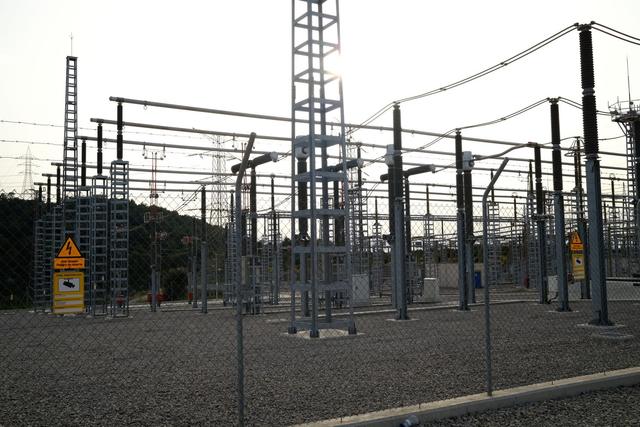
The town of Hauppauge, Long Island, voted on September 16, 2026, to prohibit the development of large‑scale battery energy storage facilities within its borders. The resolution specifically targets the proposed battery storage center that had been slated for Rabro Drive, a site that has been the focus of community resistance for several years.
Town officials said the measure reflects the sustained opposition of local residents who have expressed concerns about the impact of a sizable battery installation on the neighborhood. While the town did not disclose the exact vote count, the outcome signals a clear shift toward limiting this type of infrastructure in Hauppauge.
The decision arrives after a prolonged period of public debate over the Rabro Drive project. Residents have voiced worries about visual intrusion, potential safety risks, and the broader implications of hosting a large energy storage facility in a predominantly residential area. Over the years, town meetings, petitions, and community forums have consistently highlighted these apprehensions.
By enacting the ban, Hauppauge joins a growing number of municipalities that are scrutinizing the placement of utility‑scale battery systems. The move underscores the tension between the push for renewable energy solutions and local concerns about land use, environmental impact, and quality of life. While the ban does not affect smaller, residential‑scale battery installations, it effectively halts any future attempts to build a large commercial storage site on Rabro Drive.
The town’s action may influence neighboring jurisdictions on Long Island as they consider similar projects. It also adds a new dimension to the regional conversation about how best to integrate emerging energy technologies while respecting community preferences.
No further details about alternative energy plans or next steps for the town were provided at the time of the vote.