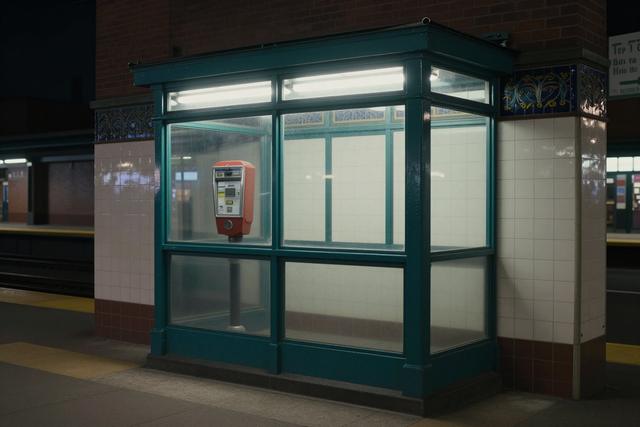
The Metropolitan Transportation Authority’s request to drop the mandatory staffing of subway token booths was rejected on September 18, 2026. The proposal would have allowed booths to remain locked and unattended whenever a scheduled station agent was absent because of illness or vacation, but the decision maintains the long‑standing requirement that an agent be on duty at each booth.
The request targeted stations throughout the New York City subway system, including the Coney Island station, where token booths have historically been staffed around the clock. Under the MTA’s plan, the booths would have stayed closed but secured during any period when the assigned agent could not work, rather than being temporarily staffed by another employee.
Token booths have been a fixture of the subway’s operations since the network’s early days, serving as the primary point for fare sales, information, and customer assistance. The existing rule obliges the MTA to ensure an agent is present at each booth during all service hours, regardless of staffing shortages or personal leave. By seeking an exemption, the agency aimed to reduce labor costs and increase flexibility in managing personnel schedules.
The denial of the request means the MTA must continue to allocate staff to maintain the presence of agents at every token booth, even when unforeseen absences occur. The decision underscores the importance placed on maintaining direct, on‑site assistance for riders, a practice that has been part of the city’s transit tradition for decades. It also signals that any future attempts to modify staffing requirements will need to address concerns about passenger service and safety.
The outcome preserves the status quo for token booth operations across the system, ensuring that riders will continue to encounter staffed booths at all times, including during periods of agent illness or vacation.