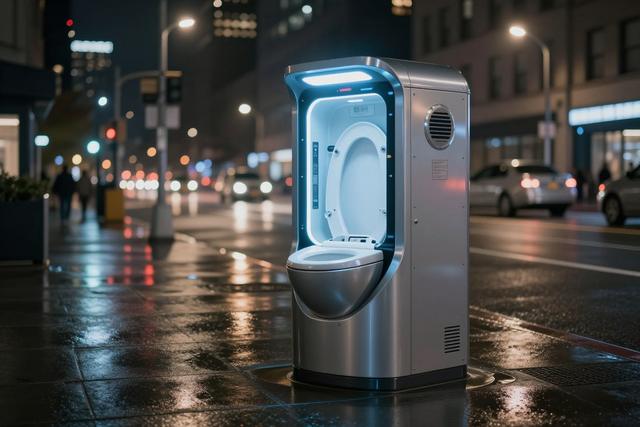
New York City has begun installing automated public restroom units that limit each use to ten minutes, marking the start of a citywide modernization program for bathroom facilities. The new units, described as robotic public toilets, are being placed across the city as part of the first phase of the effort, which aims to update and standardize the experience for residents and visitors alike.
City officials said the rollout reflects a move toward technology‑driven solutions for public infrastructure. By integrating a timed usage system, the units are intended to keep lines moving and reduce wait times during peak periods. The ten‑minute cap is enforced automatically, ensuring that each patron has a defined window for use without the need for manual monitoring.
The initiative is presented as a response to longstanding concerns about the condition and accessibility of public restrooms in densely populated areas. While details on the total number of units or their specific locations have not been released, the deployment is expected to expand as the city progresses through subsequent phases of the modernization plan.
Officials highlighted that the robotic design incorporates self‑cleaning mechanisms and contactless operation, features that align with contemporary public health standards. The technology is also meant to streamline maintenance schedules, allowing city workers to address issues more efficiently.
The ten‑minute limit, a core component of the system, is designed to balance user convenience with the broader goal of maximizing availability for the high volume of people who rely on public facilities throughout the day. By standardizing usage periods, the city hopes to create a more predictable and equitable restroom experience across neighborhoods.
The rollout begins on September 16, 2026, with the first set of units becoming operational in select locations. As the program advances, city leaders anticipate that the robotic toilets will become a common sight, reflecting New York’s commitment to modernizing its public amenities.