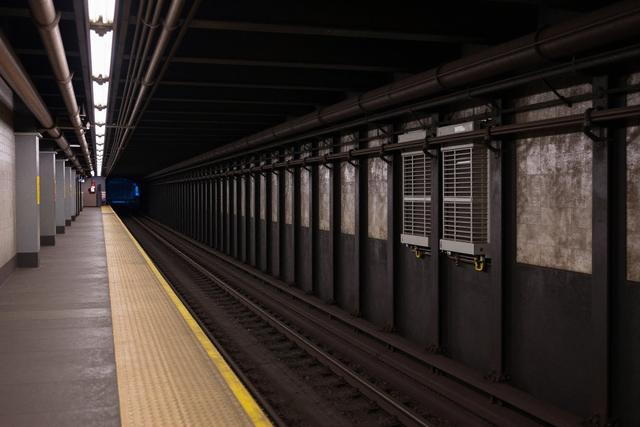
New York City announced on Monday that it has begun a study to design a thermal‑energy network aimed at reducing platform temperatures in subway stations while capturing excess heat for reuse. The initiative seeks to address the increasingly uncomfortable conditions that commuters have reported in underground transit spaces during hot weather.
The study will explore engineering solutions that can both cool station platforms and channel the waste heat generated by trains, lighting, and equipment into a system that can be repurposed elsewhere in the city's infrastructure. By creating a closed‑loop network, officials hope to improve passenger comfort and increase overall energy efficiency.
Funding for the project comes from revenues generated by the city's congestion‑pricing program, a source that has been earmarked for transportation and climate‑related improvements. The use of these funds reflects the administration's strategy of leveraging new revenue streams to tackle persistent urban challenges.
City officials noted that subway stations have been suffering from extreme heat, a problem that has grown more acute as summer temperatures rise and ridership rebounds to pre‑pandemic levels. The thermal‑energy network concept is intended to provide a scalable solution that could be applied across the extensive subway system, potentially benefiting thousands of daily riders.
The study will be conducted by a team of engineers and planners who will assess the technical feasibility, cost, and implementation timeline for the cooling and heat‑recovery system. Findings from the research are expected to inform future design standards for stations and may influence broader citywide climate‑resilience efforts.
If successful, the project could position New York's transit system as a model for integrating energy‑saving technologies into legacy infrastructure, demonstrating how congestion‑pricing revenues can be directed toward innovative, climate‑smart upgrades.