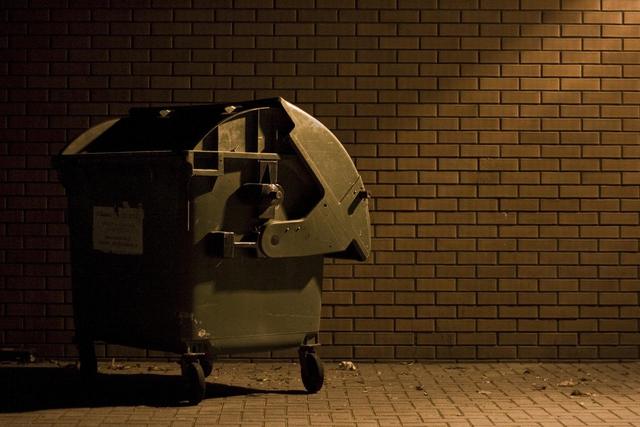
New York City announced on Tuesday that residential properties containing one to nine units must now store their waste in designated containers rather than bagging it on sidewalks. The rule, which takes effect immediately, also establishes monetary penalties for owners or managers who fail to comply.
The city’s Department of Sanitation explained that the change is intended to curb the growing problem of trash bags accumulating on public walkways. Officials have received numerous complaints about sidewalk clutter originating from small multi‑unit buildings, prompting the new requirement.
Under the ordinance, each qualifying building must provide a trash bin that meets the city’s specifications for size and material. The bins are to be placed at a location that does not obstruct pedestrian traffic and must be emptied regularly to prevent overflow. Failure to adopt the containers or to allow bags to remain on the curb will result in fines, though the exact amount was not disclosed in the announcement.
City leaders highlighted that the measure aligns with broader efforts to keep streets cleaner and improve the overall appearance of neighborhoods. By targeting properties with fewer than ten units, the policy addresses a segment that has historically been exempt from more stringent waste‑management rules applied to larger complexes.
The directive follows a period of heightened public concern about litter and its impact on urban hygiene. Residents and business owners have expressed frustration with the visual and health hazards posed by unattended trash bags, especially in high‑traffic areas. City officials anticipate that the mandatory use of bins will reduce sidewalk debris and simplify sanitation crew operations.
Compliance will be monitored through routine inspections by sanitation personnel. Building owners are urged to review the new guidelines and adjust their waste‑disposal practices accordingly to avoid penalties. The city plans to evaluate the effectiveness of the rule over the coming months and may consider additional measures if the problem persists.