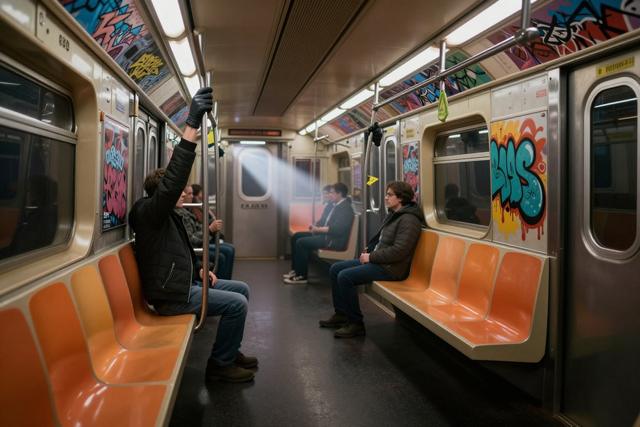
New York City’s subway system is retiring the bright orange seats that have been a fixture on certain lines since the 1970s. The seats are being removed in 2026 as the transit authority introduces newer train models to replace the aging cars.
The orange seats, introduced in the 1970s, have become a recognizable element of the city’s underground landscape. Their vivid color distinguished them from other interior features and made them a familiar sight for generations of commuters. Over the decades, the seats have endured daily use across the network, serving riders on a variety of routes.
This year, the Metropolitan Transportation Authority announced that the aging cars equipped with the orange seating will be phased out. The replacement plan involves deploying modern train sets that meet current accessibility, safety, and comfort standards. The new cars will feature updated interior designs, lighting, and seating arrangements that differ from the historic orange fixtures.
The removal marks the end of an era for the subway’s visual identity. While the orange seats have been a staple of the system’s aesthetic, the shift reflects broader efforts to modernize the fleet and improve overall service reliability. The transition is part of a larger investment in infrastructure aimed at enhancing the rider experience throughout the city’s extensive transit network.
Commuters who have traveled on the orange seats for decades will see the change as the last of the original 1970s‑era equipment is taken out of service. The new train cars are expected to begin operating on the same lines where the orange seats once predominated, offering a refreshed interior environment for daily passengers.