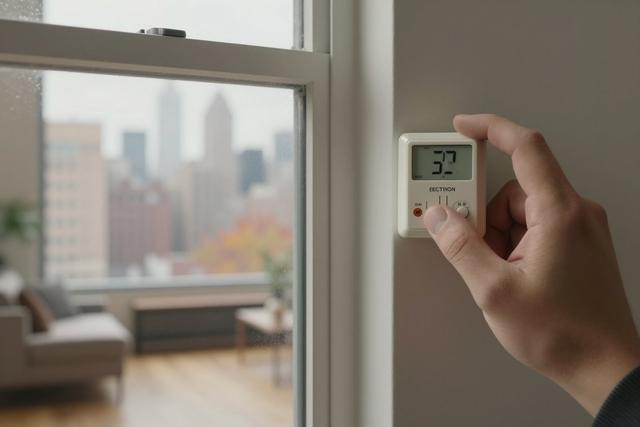
New York City announced on Monday that, beginning in October 2026, the municipal government will examine each heat complaint filed by tenants. The shift means that every report, regardless of the building’s history of similar filings, will be subject to a formal review. City officials said the change is intended to address concerns that thousands of complaints were previously dismissed without thorough investigation.
Under the former policy, the Department of Housing Preservation and Development could close a large number of heat complaints en masse when multiple reports originated from the same address. Critics argued that the practice left many residents without recourse when heating systems failed during the city’s cold months. By moving to a case‑by‑case approach, the administration hopes to ensure that landlords are held accountable for providing adequate heating.
Mamdani, a spokesperson for the city, explained that the new directive will require staff to log each complaint, verify the conditions reported, and follow up with landlords for corrective action. The city expects the workload to increase substantially, given that the volume of complaints has consistently run into the thousands each winter season. Resources will be reallocated to meet the demand, though specific staffing numbers were not disclosed.
The policy reversal comes after community groups and tenant advocates highlighted the shortcomings of the earlier system. They pointed to instances where repeated complaints from the same building were automatically closed, effectively ignoring ongoing heating problems. By mandating individual reviews, the city aims to provide a more transparent and responsive process.
The upcoming change will apply citywide, affecting apartments in all boroughs. Tenants are encouraged to continue filing reports through the existing online portal or by calling the city's 311 service. The city has pledged to monitor the effectiveness of the new approach and to report on outcomes after the first winter season under the revised protocol.