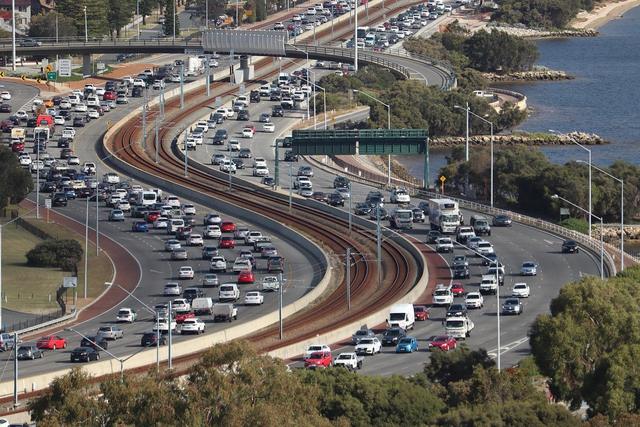
New York City officials warn that traffic congestion will increase as the city’s scheduled gridlock days draw nearer. The municipality has identified twenty specific days each year as "gridlock days," during which drivers can expect heavier than normal traffic throughout the city. This pattern is set to continue through the end of 2026.
The gridlock days are part of a citywide plan to anticipate periods of high vehicle volume. By designating these dates in advance, authorities aim to inform commuters and encourage alternative travel options. While the exact dates vary from year to year, the total number of designated days remains constant at twenty annually.
During a gridlock day, traffic flow typically slows across major thoroughfares, bridges, and tunnels. The designation signals that congestion levels are expected to rise above typical weekday patterns. Residents and visitors who travel on these days are advised to allow extra travel time, consider public transportation, or adjust routes where possible.
The city’s traffic management office has indicated that the heightened congestion is a predictable outcome of the gridlock day schedule. The office monitors traffic trends and updates the public on anticipated conditions. The focus remains on providing timely information rather than imposing new restrictions.
The continuation of the gridlock day system through 2026 reflects the city's ongoing approach to managing its dense transportation network. By maintaining a consistent schedule of twenty designated days each year, New York City seeks to balance commuter expectations with the realities of high demand on its roadways.
Motorists planning trips in the coming months should check the city’s traffic advisories for the specific dates labeled as gridlock days. Awareness of these designated periods can help reduce the impact of the expected traffic spikes and improve overall travel experience during the identified high‑congestion intervals.