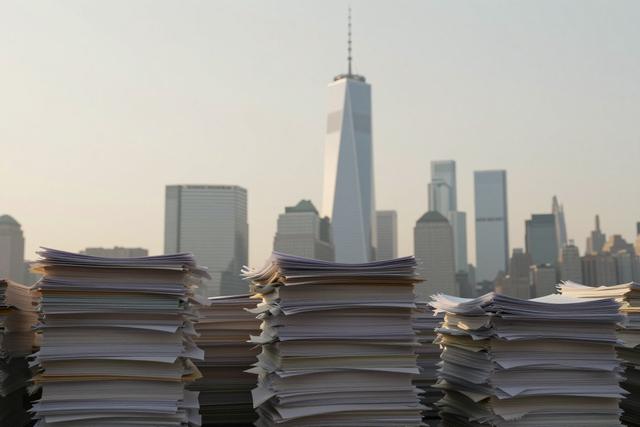
New York City officials announced on September 8, 2026 that the Mamdani administration has made public a trove of records detailing air quality conditions following the September 11 attacks. The release comprises roughly 170,000 pages of documents that describe the city’s monitoring, testing and assessment of airborne contaminants at the World Trade Center site after the towers collapsed.
The extensive archive includes internal reports, data tables, correspondence and briefing materials generated in the years immediately after the attacks and in subsequent monitoring efforts. City officials said the documents reveal what municipal authorities knew about the presence of hazardous pollutants, such as dust, asbestos and other toxic substances, in the vicinity of Ground Zero.
Since 2001, residents, workers and advocacy groups have repeatedly raised concerns about lingering health risks linked to the dust cloud and airborne debris that enveloped lower Manhattan. Those concerns have fueled longstanding demands for greater transparency regarding the extent of exposure and the steps taken to protect public health. The new release is intended to address those calls by providing a comprehensive record of the city’s knowledge and actions.
The Mamdani administration emphasized that making the files available aligns with its commitment to open government and public accountability. The documents are being uploaded to a city-managed portal where researchers, journalists and the general public can examine the material. Officials indicated that the information could aid ongoing health studies and support individuals seeking to understand potential long‑term effects of exposure.
While the release marks a significant step toward openness, city representatives noted that the volume of material is large and that reviewing it will require time and resources. They encouraged interested parties to submit specific inquiries to facilitate focused analysis. The move comes as New York continues to confront the legacy of the 2001 attacks and the environmental challenges that followed.